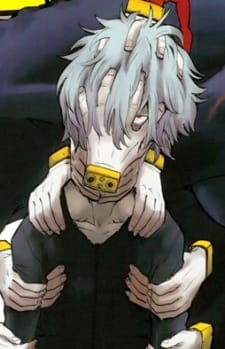
The Paranormal Liberation War represents My Hero Academia’s most ambitious arc—a massive conflict that reshapes the entire series’ status quo. Spanning manga chapters 253-306 and corresponding anime episodes, this arc delivers devastating consequences, major character deaths, and the breakdown of hero society that Horikoshi spent years building toward. Here’s the complete analysis.
The Setup: Liberation Army Merger
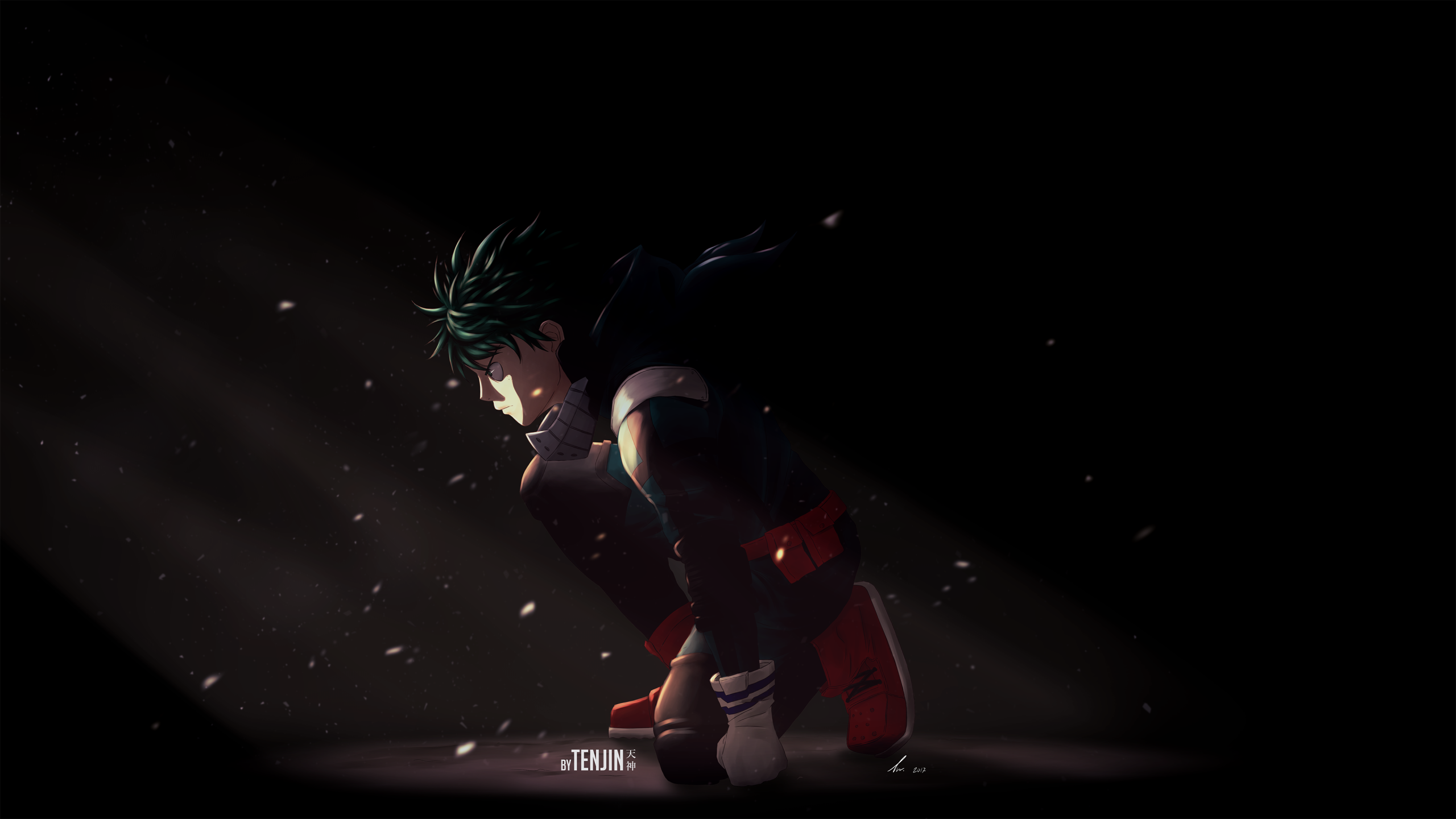
The war stems from two villain factions merging into one unstoppable force. The League of Villains (Shigaraki’s crew) absorbed the Meta Liberation Army (Destro’s followers) after their clash in My Villain Academia. This merger created the Paranormal Liberation Front—200,000+ members with both ideological conviction and raw power.
Shigaraki’s acquisition of All For One’s quirk, combined with Dr. Garaki’s body modifications, transformed him from dangerous villain to existential threat. His awakened Decay can disintegrate anything he touches—and anything touching the target—creating chain reactions of destruction limited only by his stamina.
The heroes’ intelligence operation, led by Hawks’ undercover work, provided the raid’s opportunity. But Shigaraki’s premature awakening and the sheer scale of enemy forces meant the operation was doomed from the moment it began.
The Hospital Raid: Mirko’s Last Stand
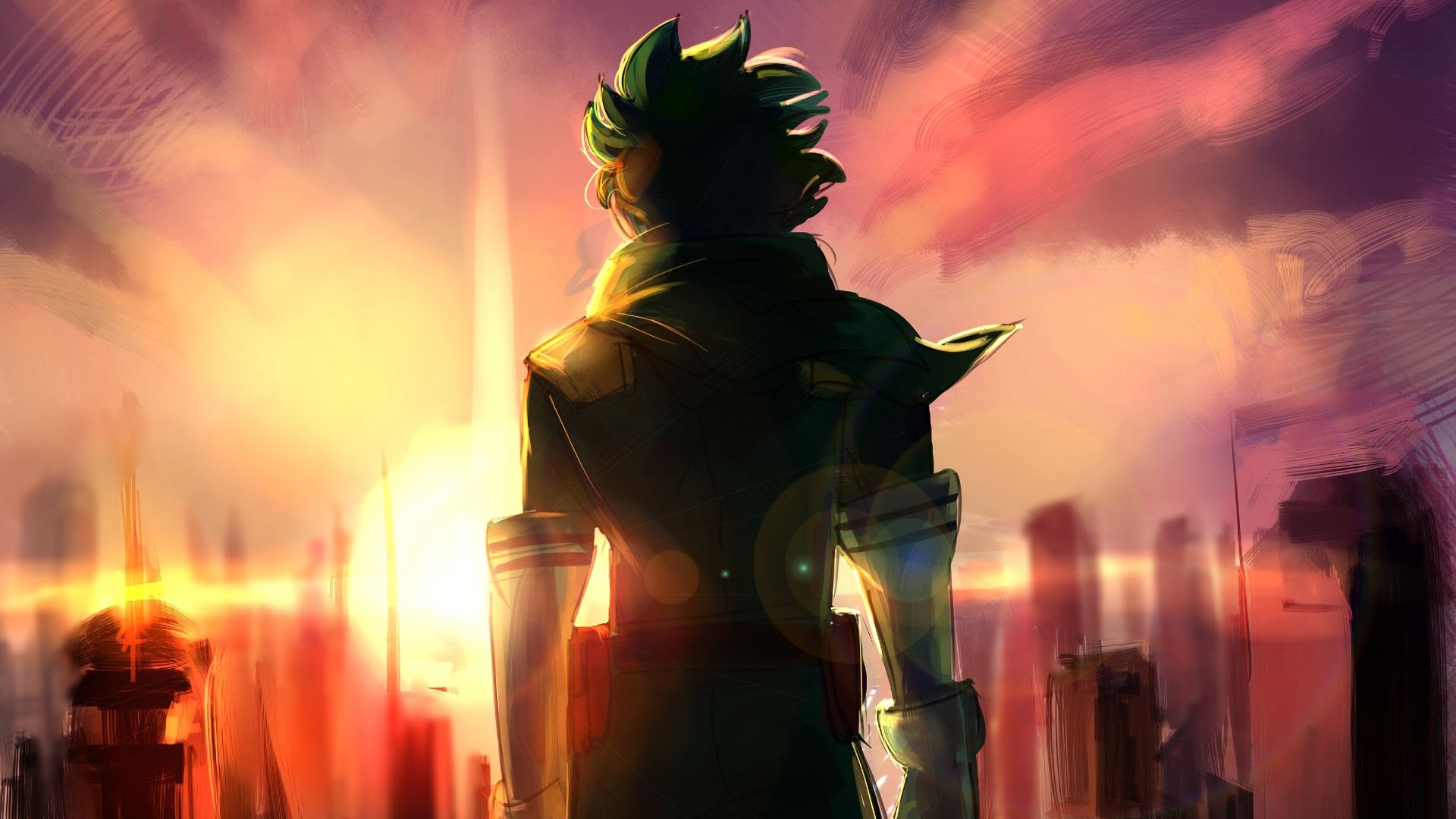
The assault on Dr. Garaki’s hospital showcased heroes at their most capable—and most desperate. Mirko (Rumi Usagiyama), the rabbit hero, single-handedly fought through High-End Nomu to reach the lab where Shigaraki slept.
Her battle represents the arc’s visual peak. Losing limbs progressively while continuing to fight, Mirko demonstrated why she ranked #5 among heroes. Her determination nearly succeeded—she reached the pod, damaged the equipment, and almost prevented Shigaraki’s awakening. Her failure came down to seconds.
The hospital raid’s body count established the war’s stakes immediately. Multiple heroes fell to Nomu and Shigaraki’s awakened power. This wasn’t symbolic defeat; characters we’d known for years died or suffered career-ending injuries in the arc’s opening moves.
Shigaraki Awakens: Jaku City Falls
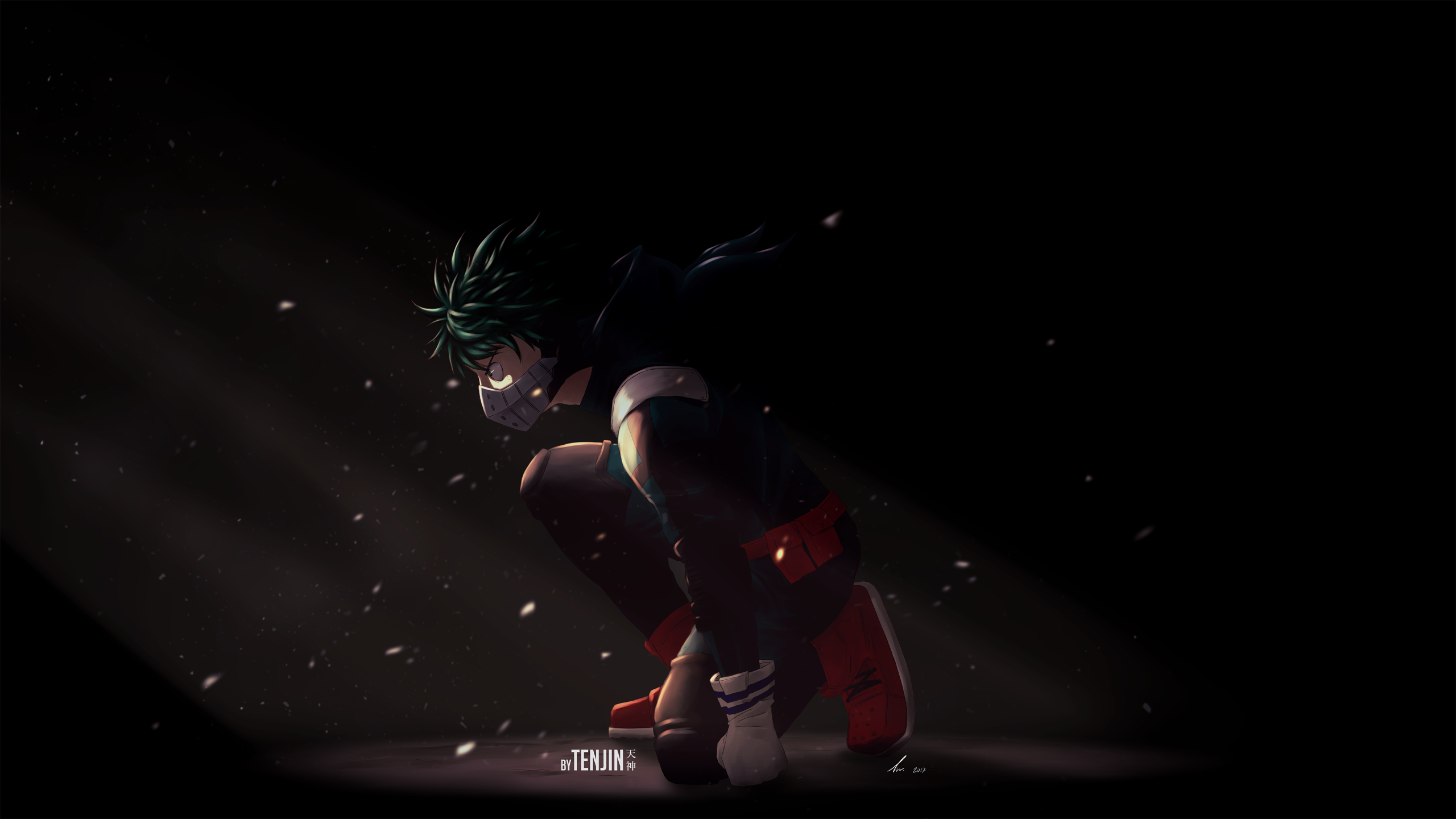
Shigaraki’s awakening created instant devastation. His Decay wave, expanding through ground, buildings, and anyone touching affected surfaces, destroyed Jaku City in moments. Thousands died instantly—civilians and heroes alike caught in expanding destruction.
The scale here matters. Previous MHA battles involved localized threats: one villain, one location, containable damage. Shigaraki’s power renders containment impossible. Heroes can’t evacuate fast enough; they can only fly and hope others follow.
Endeavor’s confrontation with Shigaraki became a battle of attrition neither could win conventionally. The Number One Hero’s flames couldn’t permanently damage a regenerating enemy; Shigaraki’s decay couldn’t touch someone airborne. Their stalemate continued until Deku’s intervention.
Deku vs. Shigaraki: Clash of Inheritors
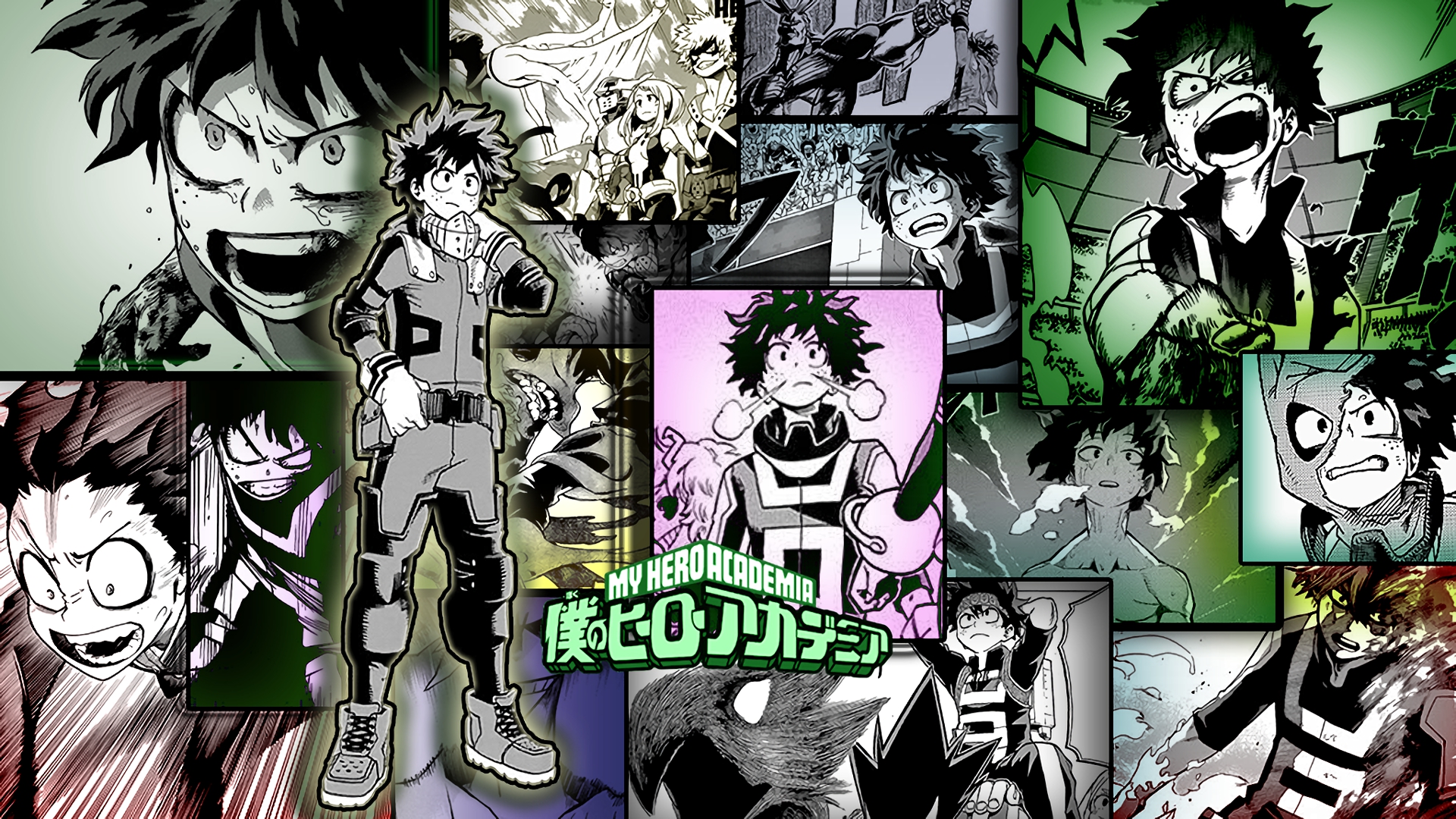
The confrontation between successors—One For All versus All For One—delivered emotional and physical intensity. Deku, pushing his quirk beyond safe limits, matched Shigaraki’s enhanced strength while the previous OFA users awakened within him.
The revelation of additional quirks within One For All recontextualized the power. Deku wasn’t just inheriting strength; he was inheriting seven quirks accumulated across generations. Black Whip, Float, and Danger Sense manifested during the war, transforming his combat capabilities.
Their mental confrontation—where Deku sees young Tenko Shimura crying within Shigaraki’s psyche—establishes the arc’s central question: can Shigaraki be saved, or must he be destroyed? Deku’s heroic instinct to save everyone conflicts with practical necessity. This tension carries through the arc’s conclusion.
The Hero Deaths and Injuries
The Paranormal Liberation War killed and maimed significant characters:
Midnight: Nemuri Kayama, the R-rated hero who’d been present since Season 1, died off-screen fighting villains—a deliberate narrative choice that denied heroic last stands to emphasize war’s brutality.
Gran Torino: All Might’s mentor survived but suffered injuries ending his hero career. His near-death at Shigaraki’s hands paralleled Nana Shimura’s death years before.
Aizawa: Erased his own leg to prevent decay from spreading. The teacher who protected students throughout the series sacrificed his mobility for survival.
Hawks: Burned severely by Dabi after being forced to kill Twice. His hero career continues but psychological damage persists.
Best Jeanist: Returns from presumed death but the deception reveals how desperate hero society had become—faking deaths for strategic advantage.
The Dabi Reveal: Endeavor’s Reckoning
Dabi’s revelation as Toya Todoroki—Endeavor’s presumed-dead eldest son—broadcast to all of Japan represents the arc’s most devastating moment. Not through combat but through truth: Endeavor’s abusive past, his obsession with creating the “perfect” successor, and the family he destroyed.
The broadcast, timed for maximum impact during the war, collapsed public faith in heroes instantly. If the Number One Hero is a domestic abuser whose victims became villains, what does hero society actually represent? Dabi weaponized truth more effectively than any quirk could.
Shoto’s confrontation with his brother carries generational trauma’s weight. Two victims of the same abuse, choosing opposite responses—one became a hero hoping to prove the title meant something, the other became a villain to prove it meant nothing. Neither is wrong; both are damaged.
Gigantomachia’s March
While the main battle raged, Gigantomachia—All For One’s loyal giant—marched toward Shigaraki across Japan. His path of destruction created its own crisis: a kaiju-sized threat that heroes couldn’t stop through conventional combat.
The student heroes’ attempt to sedate Gigantomachia showcased Class 1-A’s desperation and ingenuity. Momo’s quirk-created sedative, delivered through coordinated attack, eventually succeeded—but not before the giant destroyed multiple cities en route.
Gigantomachia’s role emphasizes scale problems. MHA’s world faced multiple simultaneous extinction-level threats without resources to address any adequately. The war wasn’t lost through single failure but through overwhelming crisis multiplication.
Society’s Collapse
The war’s aftermath reshaped MHA’s world fundamentally. Public trust in heroes collapsed after Dabi’s broadcast and demonstrated hero failure. Civilians who’d relied on hero protection found themselves undefended; many turned against the profession entirely.
The prison breaks freed every villain previously captured, undoing years of hero work in hours. All For One’s escape, specifically, removed any possibility of return to status quo. The symbol of peace era ended definitively.
Deku’s departure from UA to hunt villains alone stemmed from these conditions. He couldn’t endanger classmates against enemies specifically targeting him; he couldn’t rely on institutions that had collapsed. The arc isolated the protagonist from his support structure—deliberate narrative choice that enabled subsequent Dark Deku arc.
Why This Arc Matters
The Paranormal Liberation War proved MHA could deliver on its long-term setups. Shigaraki’s development across seasons, Endeavor’s family drama, Hawks’ undercover work, Deku’s quirk evolution—all paid off simultaneously. The arc rewarded investment rather than ignoring established threads.
Its willingness to kill, injure, and permanently change characters distinguished MHA from safer shonen alternatives. Consequences stick: Aizawa keeps his prosthetic, Midnight stays dead, society remains broken. The series earned its darker turn through seasons of building toward inevitable conflict.
For viewers reaching this arc, prepare for tonal shift. MHA’s earlier academy adventures give way to wartime desperation. The kids are soldiers now, whether they chose it or not. The Paranormal Liberation War marks the point of no return—and the series is better for committing to that transformation.
You Might Also Like
- Demon Slayer Corps Power Ranking 2026: Every Hashira and Slayer Ranked
- Demon Slayer Corps Power Ranking 2026: Every Hashira and Slayer Ranked
- My Hero Academia Ending Explained: What Happened to Deku?