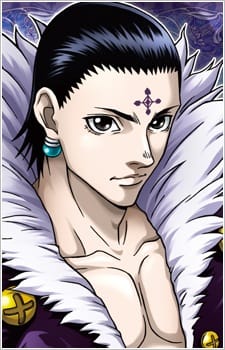
The Yorknew City Arc (episodes 37-58 in the 2011 adaptation) represents Hunter x Hunter at its darkest—a crime thriller disguised as shonen anime. Where previous arcs showcased adventure and tournament fighting, Yorknew plunges into mafia warfare, psychological horror, and the series’ most morally complex conflict. Here’s why it remains a masterpiece of anime storytelling.
The Setup: Auction and Ambition
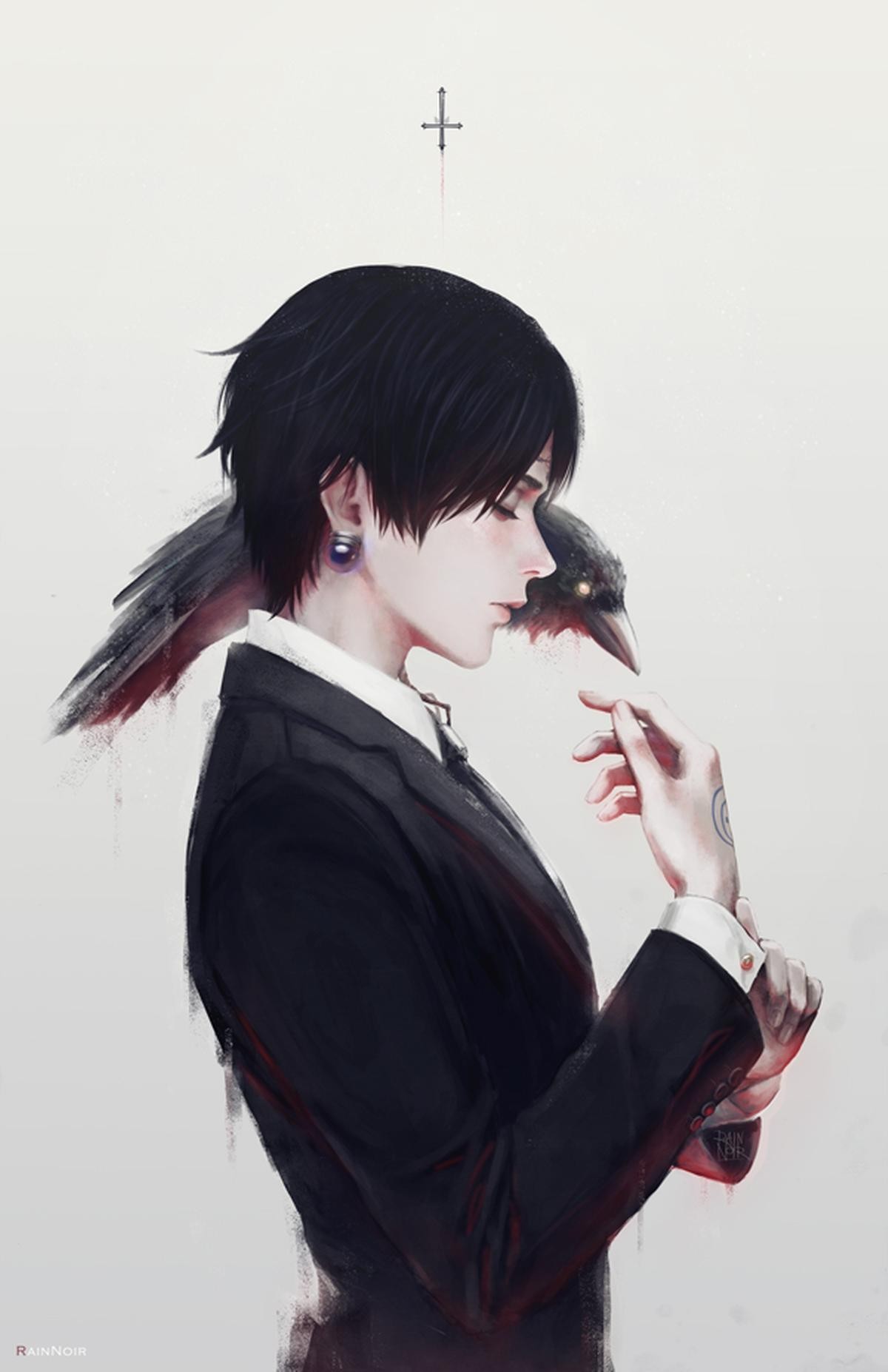
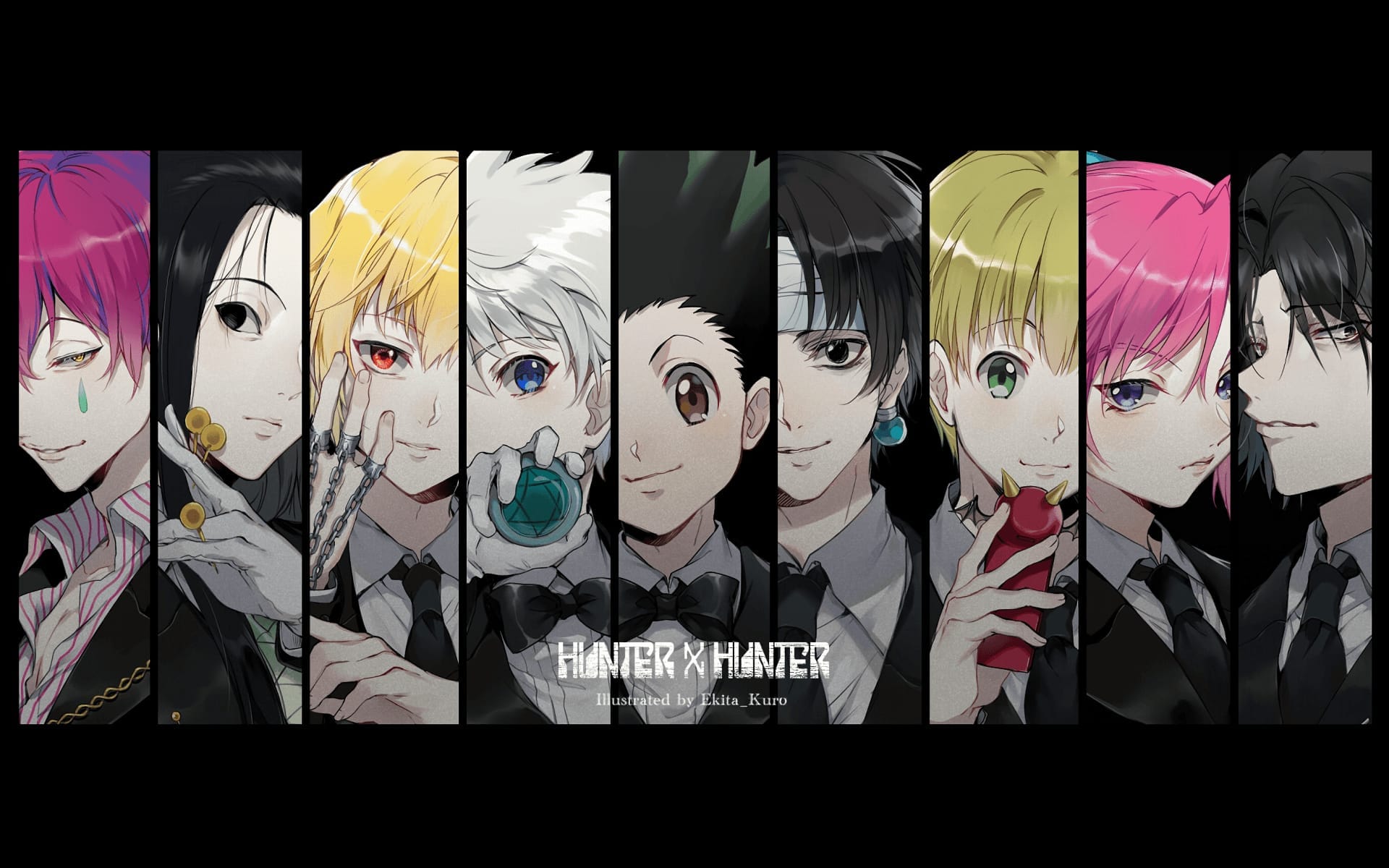
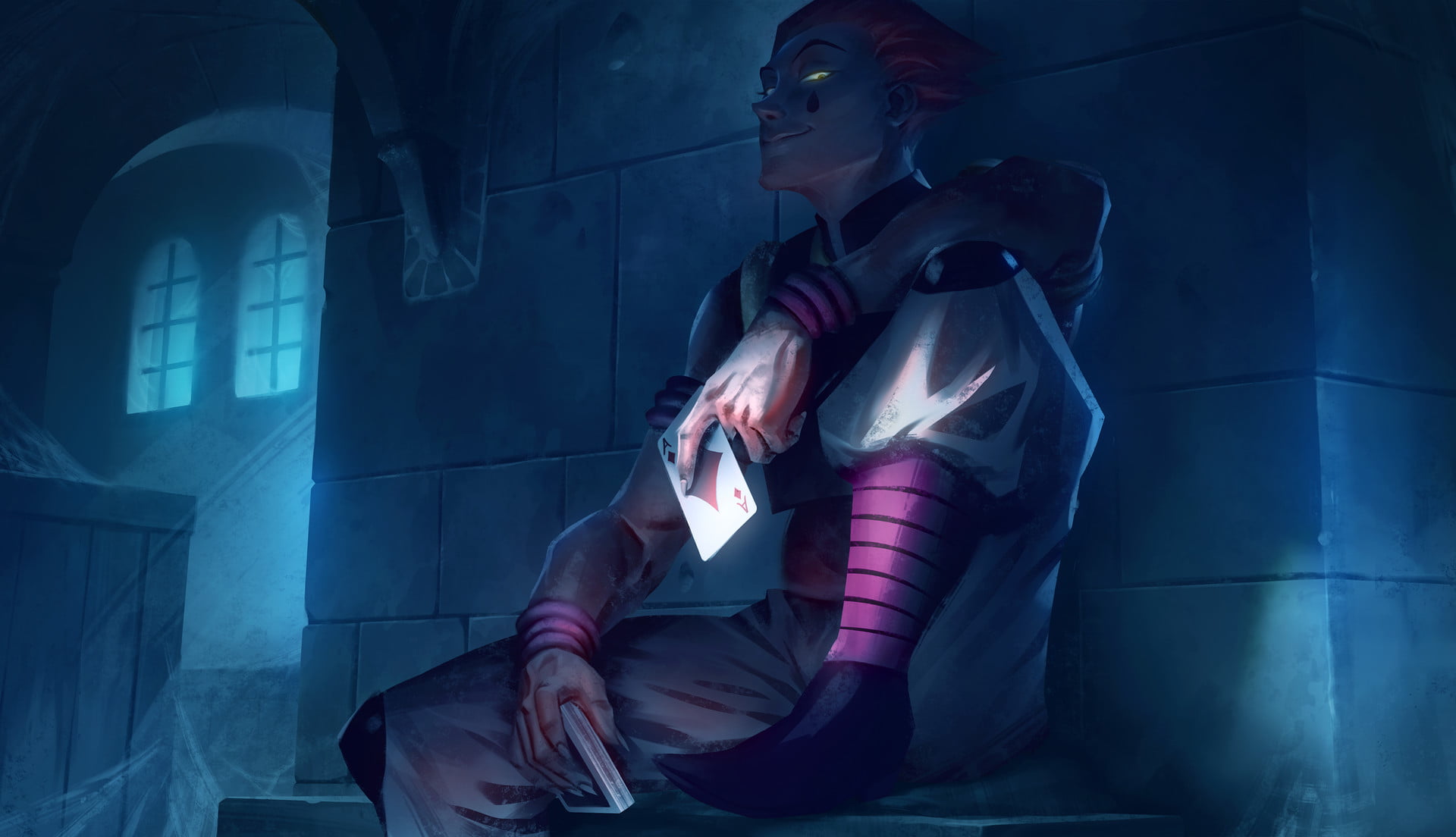
Yorknew City hosts the world’s largest underground auction, attracting criminal enterprises, wealthy collectors, and the Phantom Troupe—the bandits who massacred Kurapika’s entire clan. The convergence creates inevitable collision between protagonists seeking different goals.
Gon and Killua arrive seeking money for Greed Island, approaching the arc with characteristic adventurous naivety. Kurapika arrives seeking Phantom Troupe members, driven by revenge that’s consumed years of his life. Leorio appears briefly before arc demands separate him. The four protagonists’ paths diverge according to their priorities.
This structural choice is crucial. Hunter x Hunter’s strength lies in allowing characters to pursue individual motivations rather than forcing them together. Yorknew benefits from fragmented perspective—we see events through multiple viewpoints without artificial unity.
The Phantom Troupe: Villains as Protagonists
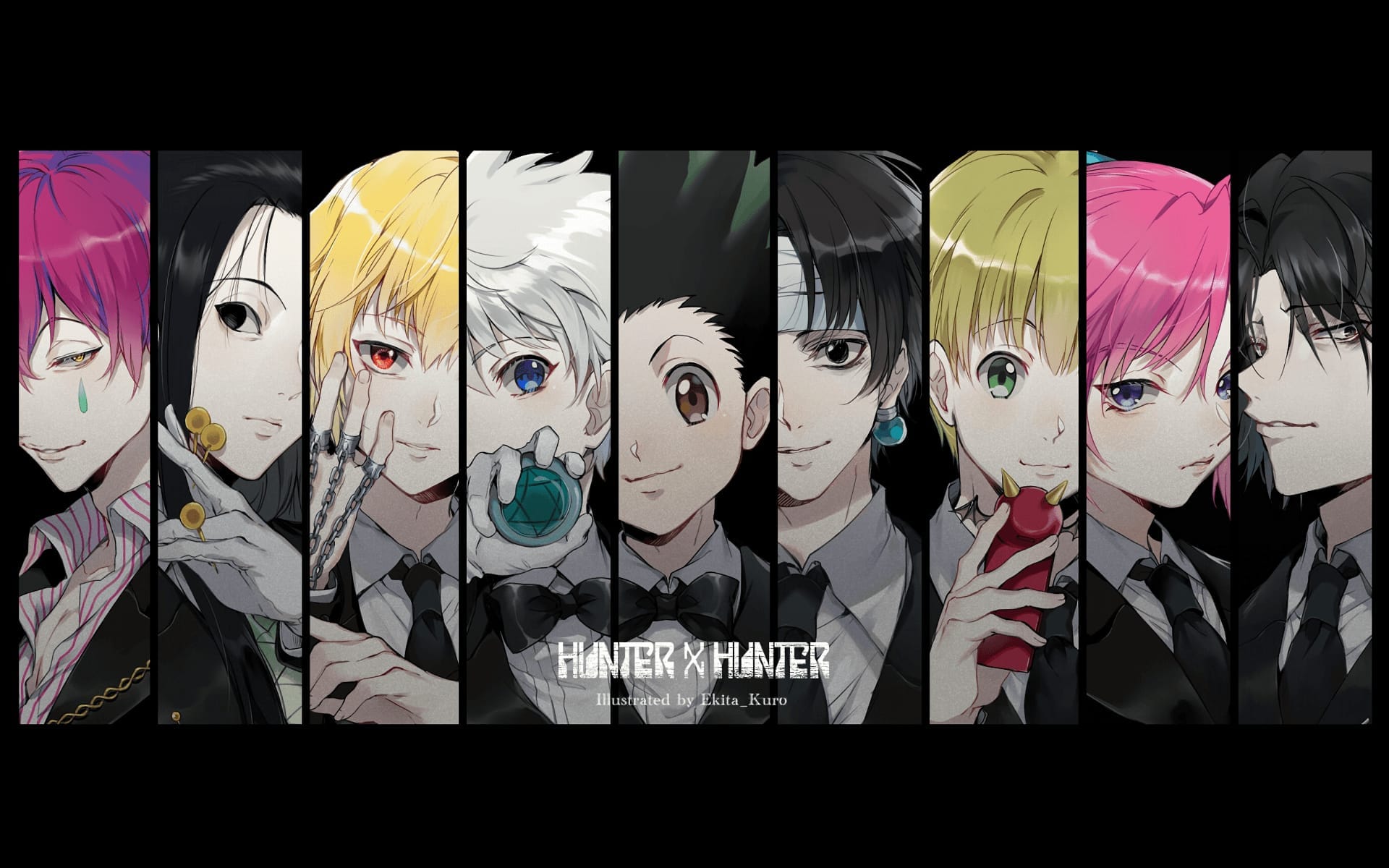
Yorknew’s masterstroke is making the Phantom Troupe genuinely compelling. These aren’t cackling villains or mindless obstacles—they’re a found family of killers who love each other while committing atrocities against everyone else.
Chrollo Lucilfer leads through charisma and tactical brilliance. His subordinates follow not from fear but genuine devotion. When Troupe members die, the survivors mourn sincerely. Their internal relationships demonstrate what family means to outcasts who’ve built bonds through shared transgression.
The massacre of Kurapika’s clan receives no justification. The Troupe killed for money and collectible eyes—pure criminality without ideological excuse. Yet we spend enough time with them to understand their humanity despite their inhumanity. They’re evil and likeable simultaneously, a combination that challenges comfortable moral categories.
Kurapika’s Revenge: The Cost of Vengeance
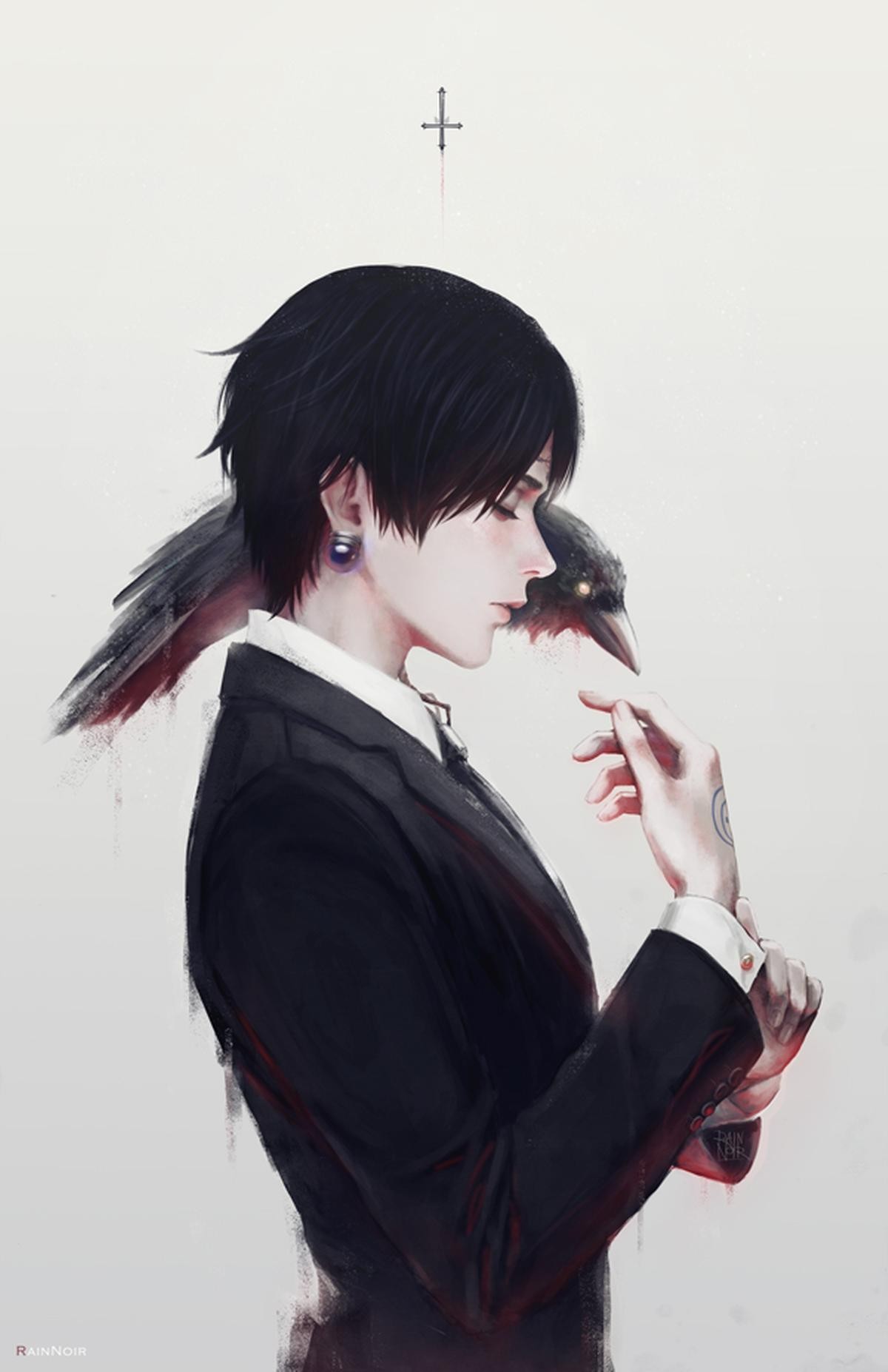
Kurapika’s arc through Yorknew explores what revenge actually requires. His Nen abilities, designed specifically to kill Phantom Troupe members, come with restrictions that endanger his life. Emperor Time burns his lifespan. Chain Jail works only against Troupe members. Every power has a price.
His capture of Chrollo demonstrates strategic brilliance—using hostage exchange to achieve objectives impossible through direct combat. But the victory is hollow. Chrollo lives, unable to use Nen temporarily, while Kurapika has sacrificed years of life and mental health for partial success.
The phone conversation between Kurapika and Pakunoda—where she describes the Troupe’s genuine bonds to the man hunting them—creates devastating irony. Kurapika lost his family and found new ones in Gon, Killua, and Leorio. The Troupe members are family to each other. Everyone understands loss; no one stops inflicting it.
Pakunoda’s Choice: The Arc’s Emotional Core
Pakunoda, the Troupe’s memory-reader, faces an impossible choice: betray her comrades to save Chrollo, or let the leader die. Her resolution—sharing Kurapika’s information through Memory Bomb, dying in the process, yet protecting Gon and Killua who helped secure Chrollo’s release—encapsulates Yorknew’s thematic complexity.
Her death isn’t framed as villain defeat but as sacrifice for loved ones. The Troupe mourns genuinely. Chrollo’s return to find his follower dead because of her love for the group creates tragedy independent of moral judgment. Pakunoda was evil; Pakunoda was devoted; both truths coexist.
Gon and Killua: Innocents in Darkness
While Kurapika wages his vendetta, Gon and Killua navigate Yorknew’s criminal underworld with characteristic determination. Their capture by the Phantom Troupe creates the arc’s tensest sequences—children among killers, survival dependent on staying useful.
The Troupe’s reaction to Gon and Killua is fascinatingly casual. These mass murderers interact almost playfully with their captives, recognizing kindred ruthlessness in Killua while being amused by Gon’s directness. The kids aren’t terrorized victims; they’re interesting specimens to dangerous collectors.
This casualness disturbs more than torture would. The Troupe doesn’t need cruelty because they’re secure in their power. Gon and Killua survive through being entertaining rather than through combat—a helplessness new to characters usually capable of fighting their way out.
The Mafia: Collateral Players
Yorknew’s mafia presence adds another layer. The Ten Dons, organized crime’s rulers, hire assassins to eliminate the Phantom Troupe—who massacre them instead. The Shadow Beasts, supposedly elite fighters, die demonstrating Troupe power levels. Criminal hierarchy that took generations to build collapses in hours.
This carnage establishes stakes that the main characters barely survive. The protagonists exist in a world where powerful organizations fall casually. Success isn’t guaranteed by protagonist status; failure and death are constant possibilities.
Animation and Direction (2011)
Madhouse’s 2011 adaptation handles Yorknew’s tonal shift brilliantly. The direction darkens literally—nighttime scenes dominate, shadows consume frames, colors desaturate from earlier arcs’ vibrancy. Visual language matches narrative content.
Fight sequences prioritize brutality over spectacle. When the Troupe massacres auctioneers, the animation emphasizes horror rather than cool action. When Kurapika captures Uvogin, the torture sequence is uncomfortable by design. Violence has weight here that tournament fighting lacks.
The arc’s musical choices—darker orchestration, extended silence during tension—support the psychological intensity. Yorknew sounds different from Heavens Arena or Hunter Exam, signaling that the story has changed fundamentally.
Thematic Depth: What Yorknew Asks
The arc poses questions without providing answers. Is Kurapika’s revenge justified given its cost? Can the Phantom Troupe’s internal love excuse their external cruelty? Does understanding villains require forgiving them? How do children maintain innocence in corrupt worlds?
Hunter x Hunter refuses to resolve these tensions. Kurapika achieves partial victory at enormous cost, but whether that victory was worth pursuing remains ambiguous. The Troupe loses members but survives as organization. Gon and Killua escape unchanged but affected by proximity to genuine evil.
This moral complexity distinguishes Hunter x Hunter from shonen that present clear heroes and villains. Yorknew’s characters operate in gray areas where right and wrong blur according to perspective. The audience must judge for themselves—and different viewers reach different conclusions.
Legacy and Influence
Yorknew established template for “dark arcs” in shonen manga. Its influence appears in everything from Naruto’s Akatsuki focus to Jujutsu Kaisen’s villain characterization. The idea that antagonists deserve development equal to protagonists owes much to Togashi’s treatment of the Phantom Troupe.
For Hunter x Hunter specifically, Yorknew demonstrates what the series could achieve when fully committed to mature storytelling. The arc’s success enabled the even more ambitious Chimera Ant arc to follow. Without Yorknew proving that audiences would accept darkness, Chimera Ant might never have been written as boldly.
Why It’s Essential
The Yorknew City Arc represents Hunter x Hunter’s transition from adventure series to genuine masterpiece. Everything that makes the manga legendary—moral complexity, character depth, unflinching darkness—crystallizes here. You can enjoy Hunter x Hunter without it, but you can’t understand the series’ reputation without experiencing what Yorknew achieves.
For first-time viewers reaching episode 37, prepare for tone shift. The show you’ve been watching transforms into something different—something darker, deeper, and more difficult. That difficulty is precisely the point. Yorknew doesn’t offer easy satisfaction; it offers confrontation with complexity that most anime avoids.
That’s why it’s perfect.
You Might Also Like
- Frieren Power System Explained: Magic, Demons, and Mana
- Frieren Power System Explained: Magic, Demons, and Mana
- Hunter x Hunter Nen System Explained: The Most Complex Power System in Anime