
The Water 7/Enies Lobby Saga represents One Piece at its absolute peak—a sustained narrative achievement that transformed Eiichiro Oda’s pirate adventure into undeniable masterpiece territory. Spanning episodes 229-312 (with some filler), this saga delivers the emotional depth, action spectacle, and thematic weight that justifies One Piece’s legendary status. Here’s why it’s the best saga in the entire series.
The Setup: A Crew in Crisis
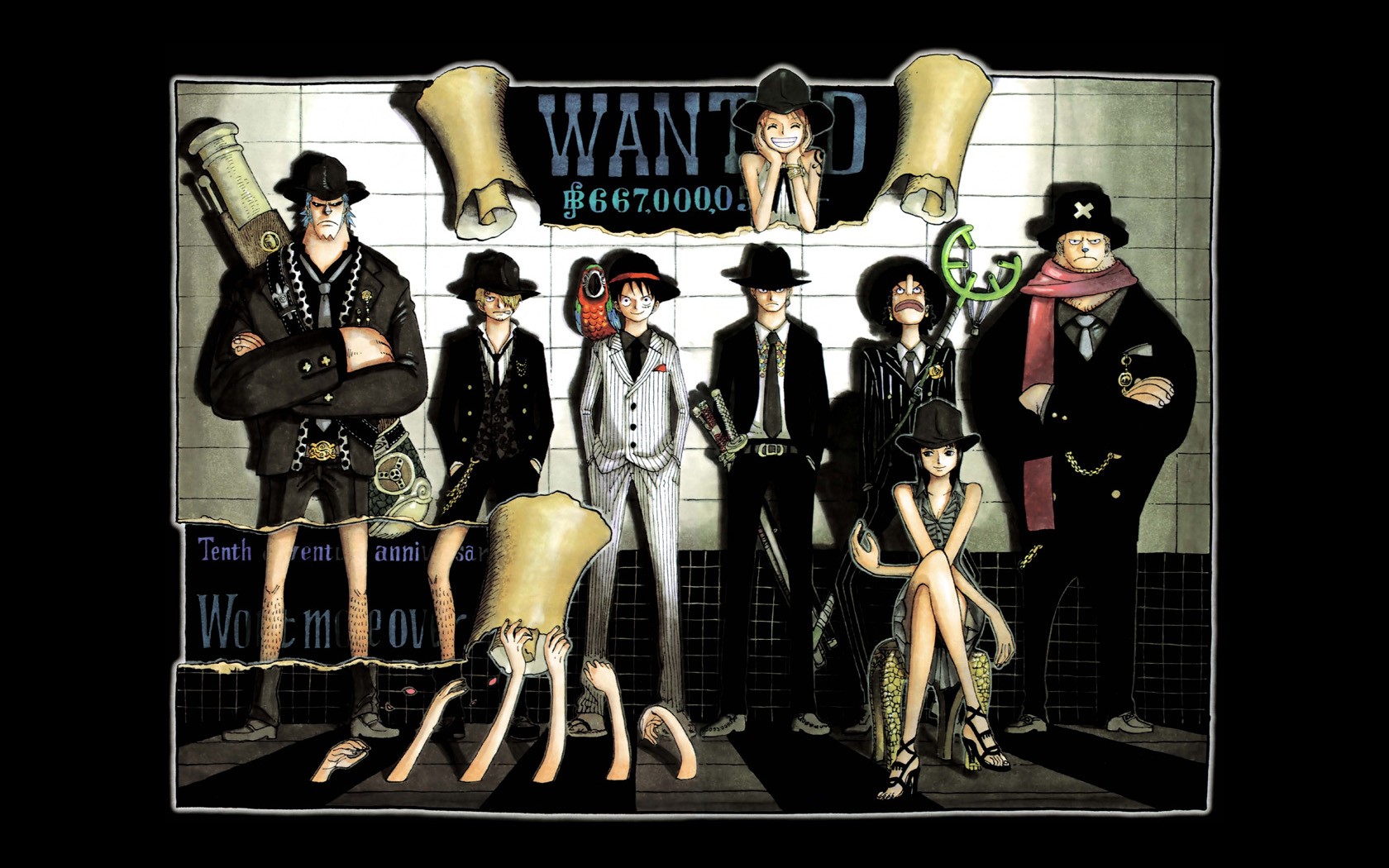
Water 7 begins with the Straw Hats at their lowest. The Going Merry, their beloved ship, is deemed irreparable—the vessel that carried them from East Blue to the Grand Line cannot continue. Simultaneously, Usopp’s pride makes him unable to accept this truth, leading to his departure from the crew.
These twin crises—losing their ship and losing a crewmate—create emotional foundation for everything that follows. The Merry’s deterioration represents mortality, the end of a era; Usopp’s departure represents how loyalty and ego can conflict. Before any villain appears, the Straw Hats are already broken.
Then Robin disappears. The archaeologist who joined quietly, who always seemed emotionally distant, has apparently betrayed them for the World Government. The crew faces triple abandonment: their ship, their sniper, and their scholar. Water 7’s genius is piling loss upon loss until collapse seems inevitable.
Nico Robin: The Flashback That Changes Everything
Robin’s backstory is One Piece’s most devastating. She was born on Ohara, an island of scholars studying the Void Century—history the World Government forbids. At eight years old, she watched a Marine fleet destroy her home, murder everyone she knew, and declare her a criminal for the crime of existing.
Her subsequent life—twenty years of betrayal, manipulation, and survival alone—explains her emotional distance. Robin learned that everyone abandons her eventually; trusting the Straw Hats invited inevitable pain. Her “betrayal” was actually sacrifice: she surrendered to CP9 to protect her new family from government attention.
The flashback recontextualizes Robin entirely. Her acceptance of death wasn’t coldness but exhaustion—she’d survived too long while wanting to die. When Luffy tells her to say she wants to live, he’s asking her to hope again after twenty years of hopelessness.
“I WANT TO LIVE!”: The Emotional Peak
Robin’s scream from across the gap between Enies Lobby’s buildings represents One Piece’s defining moment. She has every reason to accept death—her existence endangers those she loves, her survival seems meaningless, her trauma argues for giving up. Luffy demands she choose life anyway.
This moment works because it’s earned. We’ve seen Robin’s history, understood her reasoning, felt her exhaustion. Her choice to live despite everything requires overcoming twenty years of learned helplessness. When she screams, she’s choosing connection over isolation, hope over despair, future over past.
The Straw Hats’ response—declaring war on the World Government, burning its flag, committing crimes that guarantee eternal pursuit—demonstrates what Robin means to them. They’re not rescuing a useful crewmate; they’re telling a friend she matters enough to challenge the world’s power for. The emotional and tactical stakes align perfectly.
CP9: The Perfect Antagonists
Cipher Pol 9 represents government corruption made flesh. These assassins serve “justice” through murder, protect “order” through terrorism, and enforce “peace” through violence. Their presence at Enies Lobby—the island where justice is supposedly absolute—satirizes authoritarian claims to righteousness.
Individual members provide varied combat challenges. Lucci’s overwhelming power, Kaku’s absurd giraffe transformation, Jabra’s wolf predation, Blueno’s dimensional doors—each Straw Hat faces an opponent matched to test their specific capabilities. The fights feel personal rather than arbitrary.
Spandam, CP9’s incompetent chief, provides necessary hateable villain energy. His abuse of Robin, his cowardice in combat, and his eventual humiliation satisfy audience desires for villains to suffer appropriately. He’s not complex—he’s cathartic, and the saga benefits from his inclusion.
The Crew’s Growth: Power-Ups That Matter
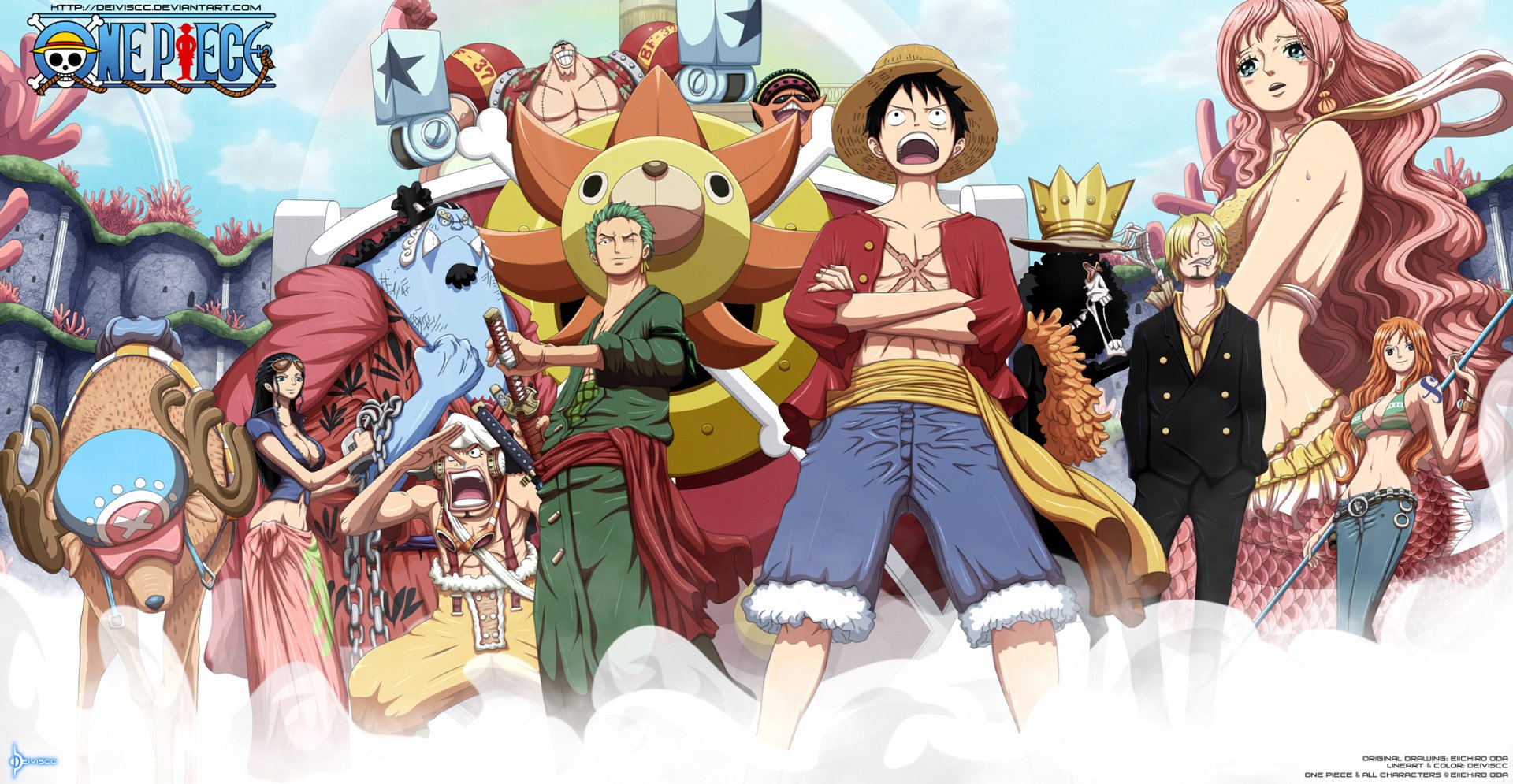
Enies Lobby powers up every Straw Hat through earned growth rather than convenient discovery. Each improvement reflects character development:
Luffy’s Gear Second and Third: Techniques that damage his body for power, reflecting his willingness to sacrifice himself for crew.
Zoro’s Asura: A demonic manifestation of his killing intent, accepted rather than suppressed.
Sanji’s Diable Jambe: Cooking technique turned combat art, merging his identities.
Usopp’s Sogeking persona: A mask that allows him to be brave when Usopp couldn’t be—acknowledging internal division while acting anyway.
Chopper’s Monster Point: Uncontrolled transformation reflecting his beast nature, dangerous but necessary.
Nami, Franky, and Robin: Each contributes their specialties against appropriate opponents.
These power-ups stick. Unlike transformations that appear for one fight and disappear, Enies Lobby’s developments define the Straw Hats going forward. The saga permanently elevates the crew’s capability while maintaining each member’s distinct identity.
The Merry’s Death: When Ships Have Souls
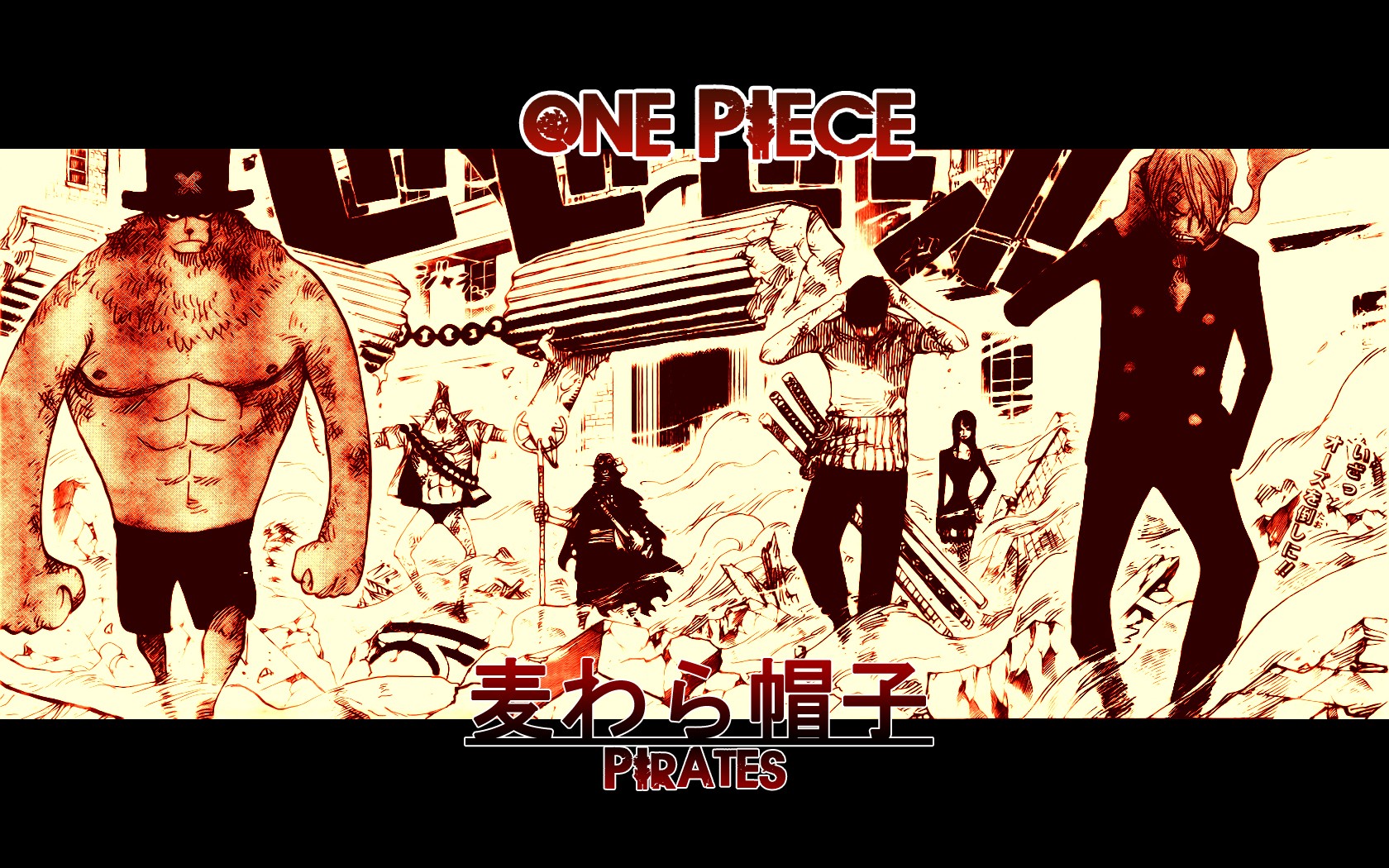
The Going Merry’s final voyage—sailing itself through naval blockade to rescue the crew—anthropomorphizes a ship without becoming absurd. Merry has always been framed as crew member; its destruction during Enies Lobby escape merely completes that metaphor.
The funeral, with each Straw Hat expressing grief, hits devastatingly hard. When Merry speaks—thanking the crew for loving it—the scene transcends logic. Yes, it’s a talking ship. Yes, that shouldn’t work emotionally. Yet it does, because Oda earned this moment through hundreds of chapters of treating Merry as part of the family.
Merry’s death also enables Franky’s inclusion as shipwright who builds the Thousand Sunny. The Merry had to die for the story to progress, for the crew to grow, for new adventures to become possible. Its sacrifice serves narrative purpose while maintaining emotional weight.
Usopp’s Return: Pride and Apology
Usopp’s arc through Water 7/Enies Lobby examines pride’s cost and apology’s difficulty. His departure was pride; his return as Sogeking was compromise; his formal apology was growth. The crew’s refusal to accept him back without apology, despite wanting him back, establishes necessary boundaries.
The resolution—Usopp apologizing tearfully, the crew accepting immediately—demonstrates that reconciliation requires genuine acknowledgment. Shortcuts don’t work; pride must bend before connection resumes. This applies beyond the specific situation to relationships generally.
Why It’s One Piece’s Peak
Water 7/Enies Lobby succeeds through emotional intensity, action spectacle, and thematic depth operating simultaneously. Every fight serves character development. Every character moment serves plot progression. Every plot point serves thematic expression. Nothing is wasted; everything matters.
The saga trusts its audience with complexity. Robin’s backstory requires patience; the payoff rewards it. The crew’s fracturing requires discomfort; the reunion resolves it. Oda builds toward moments rather than rushing to them, creating impact impossible through quicker pacing.
For viewers considering One Piece’s massive commitment, Water 7 represents what the series is capable of achieving. If this saga doesn’t move you, One Piece probably isn’t your series. If it does—and for most viewers it does—you understand why people dedicate years to following the Straw Hats.
The Water 7 Saga is One Piece’s peak not because nothing afterward is good, but because the combination of emotional stakes, earned payoffs, and thematic coherence reaches heights the series rarely matches again. It’s the best saga in One Piece—and among the best arcs in all of anime.