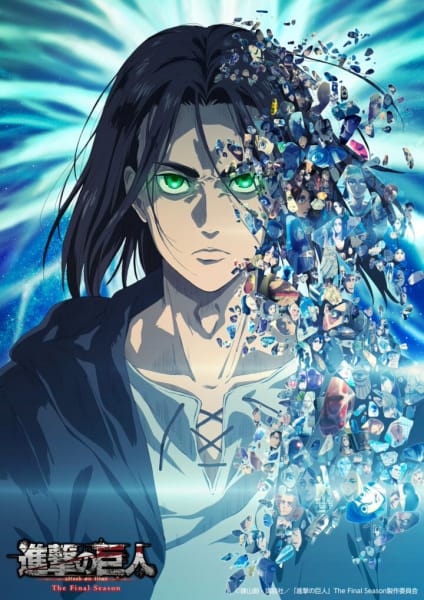
Two of anime’s most controversial protagonists stand at the center of this unique comparison: Eren Yeager from Attack on Titan and Light Yagami from Death Note. Both started as seemingly noble characters who descended into villainy—or did they? Let’s break down this battle of the anti-heroes.
Not a Physical Fight
Let’s be clear: this isn’t a battle comparison. A Titan shifter versus a normal human with a notebook wouldn’t be much of a fight. Instead, we’re comparing these characters on multiple levels:
- Their ideologies and justifications
- Their methods and moral descent
- Their effectiveness as antagonists
- Their character writing quality
The Fall From Grace
Eren’s Transformation
Eren Yeager begins Attack on Titan as the most straightforward shonen protagonist imaginable: he wants to kill all Titans and avenge his mother. His rage is understandable, his goals are clear, and we root for him unquestionably.
Then comes the basement reveal. Learning the truth about the world shatters everything Eren believed. His enemies aren’t mindless monsters—they’re people, manipulated by the same forces that created the Titans. His worldview collapses, and from its ashes rises a different Eren.
By the final arc, Eren plans the Rumbling—global genocide to protect Paradis Island. He’s killing billions of innocents to save his people. The boy who swore to kill monsters has become one.
Light’s Corruption
Light Yagami’s descent is more immediate but no less compelling. When he finds the Death Note, he genuinely believes he’s doing good—killing criminals to create a utopia. His famous declaration: “I’ll take this rotten world and make it new.”
But power corrupts absolutely. Within episodes, Light is killing FBI agents who investigate him. He manipulates everyone around him, including people who love him. By the series’ midpoint, he’s undeniably a serial killer with a god complex.
Unlike Eren, Light’s transformation is faster and more self-aware. He knows he’s become a murderer; he’s just decided he’s justified.
Ideology Comparison
Eren’s Utilitarian Nightmare
Eren operates on brutal utilitarianism: the lives of Eldians (his people) matter more than the rest of humanity. He’s not killing for power or ego—he genuinely believes genocide is the only way to break the cycle of hatred.
Key quote: “I’ll keep moving forward, until my enemies are destroyed.”
The tragedy is that Eren might be right within his context. The world genuinely wants to exterminate Paradis Island. Diplomatic solutions failed. His logic is horrifying but internally consistent.
Light’s Divine Complex
Light believes he has the right to judge humanity. His ideology combines egotism with genuine idealism—he really does want to reduce crime. But his criteria for “deserving death” keeps expanding.
Key quote: “I am justice! I protect the innocent and those who fear evil!”
Unlike Eren, Light’s methods don’t have a logical endpoint. Eren’s genocide has a finish line (everyone outside Paradis dies). Light would need to kill forever, judging each new generation.
Who’s More Sympathetic?
Eren’s Case
Points in Eren’s favor:
- Defensive motivation: He’s responding to an existential threat, not choosing to attack unprovoked
- Lack of alternatives: The manga shows that peace was truly impossible
- Self-sacrifice: Eren knows he’ll die and be hated; he does it anyway
- Genuine love: His friends and home matter to him; he’s not purely selfish
Light’s Case
Points in Light’s favor:
- Reduced crime: His methods genuinely decrease violent crime worldwide
- Initial victims: He starts by killing unquestionable monsters—serial killers, rapists
- Clarity: He’s completely honest (with himself) about what he’s doing
Verdict: Eren is more sympathetic because his actions stem from desperate circumstances rather than arrogance. Light chose his path; Eren was pushed toward his.
Better Written Character?
Light’s Strengths
Light Yagami is a masterclass in villainous charisma. We watch him manipulate everyone—including the audience—and can’t look away. His cat-and-mouse games with L create some of anime’s tensest moments.
The Death Note’s genius lies in making us root for Light despite knowing he’s evil. We want to see him outsmart his pursuers.
Eren’s Strengths
Eren’s character development spans over 130 manga chapters and shows genuine psychological evolution. He goes from screaming rage-boy to calculating mastermind to broken idealist. His “I was disappointed” moment when reaching the ocean is one of anime’s most devastating character beats.
The post-timeskip Eren challenges readers to question if they’d do anything differently in his position.
Verdict: Both are exceptional, but Eren has more depth due to having more story to develop in. Light is more entertaining, Eren is more complex.
Impact on Their Stories
Light as Protagonist/Antagonist
Death Note is built around Light. He drives every plot point and manipulates every character. When he’s not onscreen, the story noticeably sags. The post-L arc suffers largely because Light has no worthy opponent.
Eren as Protagonist/Antagonist
Attack on Titan doesn’t revolve solely around Eren—the ensemble cast shares narrative weight. This means the story survives Eren becoming villainous better than Death Note survives Light’s plotting.
However, the final arc controversy stems partly from Eren’s reduced presence. When he finally explains himself, some felt it was too little, too late.
The Final Judgment
| Category | Winner |
|---|---|
| Sympathetic Motivation | Eren |
| Entertainment Value | Light |
| Character Depth | Eren |
| Iconic Moments | Light |
| Tragic Element | Eren |
Overall: Both characters represent the pinnacle of morally complex anime protagonists. Light is the more entertaining villain; Eren is the more tragic figure. Which you prefer depends on what you value in anti-hero writing.
Read more: Eren Yeager: The Most Complex Protagonist in Modern Anime and Attack on Titan Complete Series Retrospective.
You Might Also Like
- Levi Ackerman: Attack on Titan’s Humanity’s Strongest
- Attack on Titan Sequel Rumors: What We Know About AOT’s Future
- Attack on Titan Complete Watch Order 2026: From Walls to Freedom