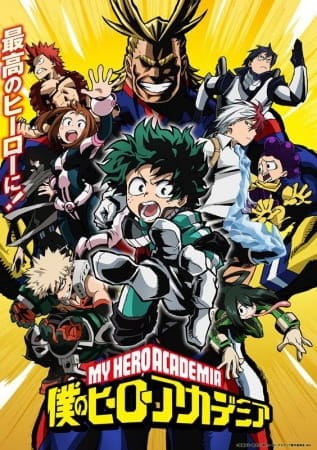
As My Hero Academia approaches its conclusion in 2026, the question facing fans is whether it’s still worth the investment. After seven seasons, hundreds of episodes, and a final war arc that’s divided audiences, where does MHA stand?
The Current State
MHA has entered its final arc, adapting the manga’s conclusion. The final war against All For One and Shigaraki has consumed multiple seasons, with resolution finally visible. For newcomers considering starting, the timing is actually optimal—you can experience the full story without years of waiting.
What MHA Does Well
Hero Society Exploration
MHA’s best quality is examining what a world of heroes would actually look like. Professional heroism as career, ranking systems, public relations, bureaucracy—these details make the world feel lived-in beyond simple good-vs-evil.
Class 1-A Ensemble
Twenty students with distinct personalities, designs, and quirks create an ensemble that rewards long-term investment. Favorites emerge through individual focus arcs. Nobody’s pure background filler.
Villain Motivations
MHA’s villains have coherent ideologies. Stain questioned hero authenticity. Overhaul pursued extreme solutions to societal problems. Shigaraki represents systemic failure’s victims. This depth makes conflicts more than power contests.
Emotional Moments
When MHA commits to emotional beats, it delivers. All Might’s final battle, Deku’s rage against Overhaul, Endeavor’s complicated redemption—these moments resonate because the series earned them through buildup.
What MHA Struggles With
Pacing Issues
The final war arc has stretched across multiple years and seasons. Battles that should feel urgent get interrupted by flashbacks and side character focus. The momentum stutters repeatedly, testing patience.
Power Scaling
Deku gaining multiple quirks created power scaling problems. When the protagonist can do almost anything, tension diminishes. The series compensates by depowering him periodically, which feels artificial.
Character Balance
Class 1-A has twenty students but maybe six get substantial development. The others exist in backgrounds, their potential unrealized. This imbalance feels worse as the series concludes without resolving many arcs.
The Bakugo Problem
Bakugo’s redemption from bully to hero asks audiences to forgive behavior that would be unacceptable in real contexts. Whether this arc works depends on willingness to accept genre conventions about rivalry.
Animation Quality
Studio Bones has maintained excellent quality across seven seasons. Fight scenes remain spectacular—the Deku vs. Shigaraki encounters rank among the studio’s best work. Budget allocation favors key moments appropriately.
Consistency
Unlike some long-running series, MHA hasn’t suffered significant quality drops. This consistency speaks to Bones’ project management and Horikoshi’s manga providing clear direction.
The Final Arc Assessment
The final war delivers spectacle but exhausts through length. Every major character gets their moment, but those moments blur together. The emotional payoffs exist but require wading through content that could be compressed.
Major Battles
Deku vs. Shigaraki, Endeavor vs. All For One, various student matchups—the battles are individually excellent. Their cumulative effect is overwhelming rather than exciting. Less would be more.
Conclusion Quality
Without spoiling the manga ending, the conclusion is serviceable but not definitive. It resolves plots adequately without transcending. Those hoping for Naruto-level emotional catharsis may be disappointed.
Recommendation by Viewer Type
New Viewers
MHA is worth starting if you enjoy superhero narratives and ensemble casts. The first four seasons are excellent. Quality variance increases afterward but never becomes unwatchable. Starting now means finishing soon.
Lapsed Viewers
If you dropped during the war arc, consider waiting for completion and then binging. The pacing issues diminish when watched continuously rather than weekly.
Current Viewers
You’ve invested too much to quit now. The ending approaches. See it through.
Comparison to Peers
MHA stands below Jujutsu Kaisen in writing quality, below Demon Slayer in animation consistency, and below One Piece in world-building. But it remains a complete, quality shonen experience that newer fans will reference as formative.
Verdict
7/10 – My Hero Academia is good anime that occasionally achieves greatness. Its highs are very high; its lows are mediocre rather than bad. It’s worth watching for superhero anime fans but isn’t essential viewing for general audiences.
The complete story, once finished, will be a solid recommendation for younger viewers wanting accessible long-form anime. It’s not the generation-defining work it seemed during Season 2, but it’s a respectable entry in the shonen canon.
You Might Also Like
- Demon Slayer Corps Power Ranking 2026: Every Hashira and Slayer Ranked
- Demon Slayer Corps Power Ranking 2026: Every Hashira and Slayer Ranked
- Best Anime of 2025: Complete Rankings