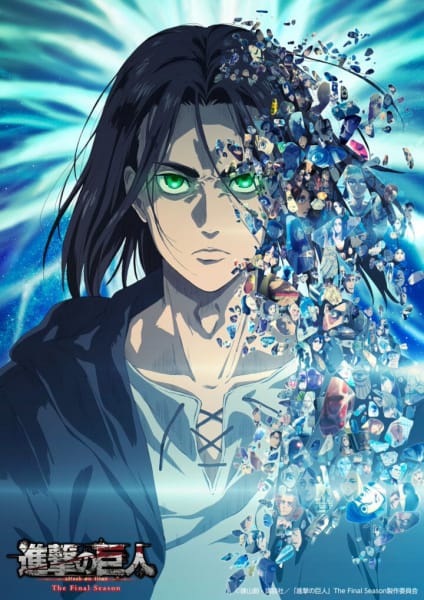
When Attack on Titan began in 2013, it seemed like another action anime with giant monsters. When it ended in 2023, it had become one of the most debated, influential, and controversial series in anime history. Now complete, we can assess the full journey—from walls to freedom.
A Decade of Transformation
Attack on Titan evolved more dramatically than almost any long-running series. Season 1’s mystery-horror became political thriller by Season 3, then war epic by Season 4. Each transformation felt earned through careful setup, even when jarring in execution.
The Tonal Shifts
Early AOT was about survival against incomprehensible monsters. Late AOT was about cycles of hatred between human groups using those monsters. This shift divided audiences—some wanted the simpler horror; others appreciated the complexity. Both positions are valid.
Animation Journey
WIT Studio’s early seasons established visual standards that MAPPA inherited and evolved. The switch between studios brought controversy but maintained quality through the ending.
WIT’s Contribution
Seasons 1-3 under WIT created iconic imagery: ODM gear combat, Titan battles, the Female Titan chase. Their action choreography set standards still referenced today. The theatrical quality of key moments (Eren’s first transformation, Levi vs. Beast Titan) remains unmatched.
MAPPA’s Continuation
Season 4’s different aesthetic—grittier, more realistic—suited the story’s evolution. MAPPA handled war-scale conflicts and CGI Titans with mixed results but delivered key emotional moments. The final season’s animation, despite production struggles, concluded the series respectably.
Storytelling Ambition
Isayama wrote a story that demanded attention. Mysteries established in Season 1 resolved across years. Character development tracked realistically. The world expanded from single city to global politics without losing focus.
The Basement Reveal
Season 3’s basement revelation—that Titans were transformed humans and the outside world existed—recontextualized everything. This twist succeeded because it was foreshadowed extensively while still surprising. It’s a masterclass in long-form storytelling.
The Final Season’s Challenges
Season 4’s Marley perspective asked audiences to sympathize with former enemies while watching protagonists become antagonists. This moral complexity elevated the series for some viewers while alienating others who wanted clear heroes.
The Ending Controversy
Attack on Titan’s ending divided fandom more than almost any anime conclusion. Some found it thematically appropriate; others felt betrayed. Understanding why requires examining what the ending actually did.
What It Chose
The ending revealed Eren orchestrated events partly to achieve freedom, partly to protect friends, and partly because he saw the future and couldn’t escape it. His death came at alliance hands, allowing them to become heroes. The rumbling killed 80% of humanity but left enough for potential peace.
Why Some Loved It
Thematically, it concluded cycles of hatred with human connection. Eren’s self-sacrifice made his friends the heroes. The ambiguity of whether peace would last reflected real-world cycles. For some, this realism elevated the ending.
Why Some Hated It
Character assassination (particularly Eren’s breakdown about Mikasa), rushed pacing, and convenient developments frustrated others. The Additional Pages showing war continuing seemed to undermine the sacrifice. For these viewers, execution failed the ambition.
Character Assessment
Eren
Eren’s evolution from screaming child to tragic villain is AOT’s most ambitious character work. Whether it succeeded depends on whether you believe his final chapter characterization matched his arc. He’s either the series’ greatest achievement or its biggest failure.
Mikasa
Mikasa’s role—choosing to kill Eren despite love—was set up across the series. Her conclusion works narratively even if it left some wanting more development for her as an individual rather than as Eren’s protector.
Armin
Armin representing talk-no-jutsu hope worked thematically but felt underdeveloped in execution. His final confrontation with Eren carried less weight than the friendship deserved.
Levi
Levi’s ending—disabled, alone, but having kept his promise to Erwin—satisfied fans. His arc completed appropriately without overstaying.
Thematic Depth
Attack on Titan engaged with cycles of violence, inherited hatred, and the cost of freedom more seriously than most anime. Whether it handled these themes well is debatable, but its willingness to engage distinguishes it.
Freedom’s Paradox
Eren’s pursuit of freedom created the most unfree situation—a future he couldn’t escape that required becoming a monster. This paradox is either profound commentary or self-defeating narrative depending on interpretation.
Historical Allegories
The series parallels to real-world atrocities (concentration camps, ethnic cleansing, cycles of revenge) add weight and controversy. Isayama navigated these parallels imperfectly but rarely trivially.
Legacy
Attack on Titan brought anime to mainstream Western audiences like few series before. It demonstrated long-form anime storytelling’s potential while showing its pitfalls. Future series will be measured against it.
Influence on Medium
AOT proved anime could sustain complex political narratives. It showed Western audiences would follow serialized anime for years. It elevated production standards for dark anime.
Verdict
8/10 – Attack on Titan is flawed masterpiece: ambitious storytelling that stumbled at the finish but achieved heights rarely attempted. It’s worth watching for its peaks even accepting its valleys.
The journey matters more than the destination here. Seasons 1-3 are exceptional. Season 4 is fascinating if uneven. The ending is divisive but not disqualifying. Watch it, form your own opinion, and join a decade of discussion.
You Might Also Like
- Attack on Titan Complete Watch Order 2026: From Walls to Freedom
- Attack on Titan Complete Watch Order 2026: From Walls to Freedom
- Levi Ackerman: Attack on Titan’s Humanity’s Strongest