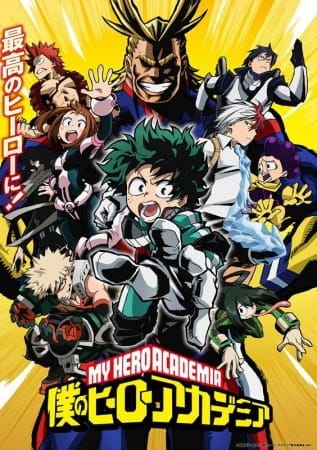
All Might isn’t just My Hero Academia’s most powerful hero—he’s the series’ moral compass, its thematic anchor, and the standard every character measures themselves against. The Symbol of Peace created a generation of heroes through inspiration alone, and his decline drives the narrative tension of the entire story.
The Symbol of Peace
For decades, All Might maintained crime rates at historic lows simply by existing. Villains didn’t act because All Might might appear. Citizens felt safe because All Might was protecting them. He wasn’t just a hero—he was the concept of heroism made flesh.
The Smile
All Might’s constant smile wasn’t just personality—it was deliberate strategy. By never showing fear or doubt publicly, he projected invincibility. Citizens drew courage from that smile. Villains doubted themselves against it.
This constructed persona cost All Might genuine expression. He couldn’t show weakness even when weakened, couldn’t admit doubt even when uncertain. The smile became a mask he couldn’t remove.
The Cost of Heroism
All Might’s body was destroyed long before the series begins. His fight against All For One left him with a wound that cost half his respiratory system and stomach. The muscular hero form became a temporary inflation; his true body was emaciated and constantly coughing blood.
One For All
All Might inherited One For All from his mentor Nana Shimura, becoming the eighth user. He built the power to unprecedented levels over his career, transforming it from strength-stockpiling into something approaching godlike power.
Peak All Might
Before his injury, All Might was essentially invincible. He could change weather patterns with punches, defeat any villain instantly, and seemed to have no upper limit. This peak power created the peace era—and made his decline more dramatic.
Passing the Torch
Choosing Deku as his successor wasn’t random—Deku’s selfless heroism during the sludge villain incident proved his spirit matched All Might’s ideals. The passing of One For All represents complete faith in the next generation.
The Decline
All Might’s power limitation drives MHA’s tension. His hero form time dropped from hours to minutes, each major battle consuming remaining reserves. The clock ticking on the Symbol of Peace creates urgency throughout the series.
Kamino Ward: The Final Fight
All Might’s public battle against All For One at Kamino Ward exhausted his remaining power completely. His United States of Smash—maximum power channeled into one attack—ended both his career and his ability to transform.
The Deflating Symbol
All Might’s public transformation back to his skeletal form broadcasted his secret worldwide. The Symbol of Peace was revealed as a fragile man. This revelation triggered the rise of villains who’d waited for his fall and the despair of citizens who’d relied on him.
All Might as Mentor
Post-Kamino All Might focuses on teaching, particularly guiding Deku through One For All’s development. His mentorship combines genuine care with guilt over his inadequacies.
Failures as a Teacher
All Might admits he’s not a good teacher. He became strong through natural talent plus One For All, never needing to explain techniques. His inability to coach Deku through initial power control reflects this limitation.
Emotional Support
Where All Might excels is emotional support—believing in Deku when others doubt, providing encouragement through setbacks, demonstrating what heroism means. He teaches through example even when technical instruction fails.
All For One: The Rivalry
All Might’s nemesis represents his opposite: where All Might gives power, All For One takes it; where All Might inspires, All For One controls; where All Might built peace, All For One created chaos.
Nana’s Death
All For One killed All Might’s mentor Nana Shimura, adding personal hatred to their ideological conflict. This murder motivates All Might’s relentless opposition despite knowing the fight might kill him.
The Final Confrontation
Their Kamino Ward battle represented decades of conflict culminating. All Might won but at total cost—his power, his secret identity, his role as symbol. Victory felt pyrrhic.
Thematic Role
All Might embodies MHA’s central question: what happens when the symbol falls? His decline forces other heroes to step up, forces society to not rely on one person, forces Deku to become worthy of succession.
The Unsustainable Symbol
MHA criticizes the “one hero saves everything” model through All Might. His presence prevented others from growing. His secret injury was necessary to maintain peace but also a lie to the public. The system he created was ultimately unsustainable.
Legacy Over Power
Post-power All Might matters because he proves heroes aren’t just their abilities. His continued teaching, his moral support, his willingness to fight powerless when necessary—these actions demonstrate heroism beyond strength.
Character Depth
Toshinori vs. All Might
The tension between Toshinori Yagi (the person) and All Might (the symbol) drives his character. He subordinated personal life entirely to heroism—no family, no relationships, no identity outside the cape.
Fear of Failure
All Might’s constant smile hides constant fear—fear of failing citizens, failing successors, failing to stop All For One. His confidence was performed, not felt. This vulnerability humanizes his symbol status.
Guilt
All Might carries guilt over Nana’s death, over Sir Nighteye’s predictions, over every hero who died while he lived. His self-sacrifice tendencies stem from believing others’ lives matter more than his own.
Design and Presentation
All Might’s visual design tells his story: the inflated hero form represents the symbol he constructed; the skeletal true form represents the cost. His American-influenced design (red, white, blue; named attacks after states) positions him as universal heroism concept.
The Voice
All Might’s booming voice—”I am here!”—is itself a weapon. That declaration promised safety. Even after his decline, hearing it carries emotional weight for characters who grew up under his protection.
Conclusion
All Might works as a character because he’s both inspiring and cautionary. His heroism built a peaceful era; his methods made that peace dependent on one man. His decline forces growth; his presence provides emotional anchor.
The Symbol of Peace represents what heroes should aspire to: genuine care for others, willingness to sacrifice, inspiring the next generation. But he also represents the unsustainability of that model—one person can’t save everyone forever.
That’s why All Might’s “You can become a hero” to Deku matters so much. It’s not just permission—it’s passing responsibility for a world he can no longer protect alone. The greatest hero’s final act is creating his successor.
You Might Also Like
- Deku’s Quirk Evolution: Tracking Midoriya’s Power Growth
- When Does Yuji Get His Power? Our Hero’s Super Strength
- My Hero Academia Ending Explained: What Happened to Deku?