
Berserk: The Future Without Miura
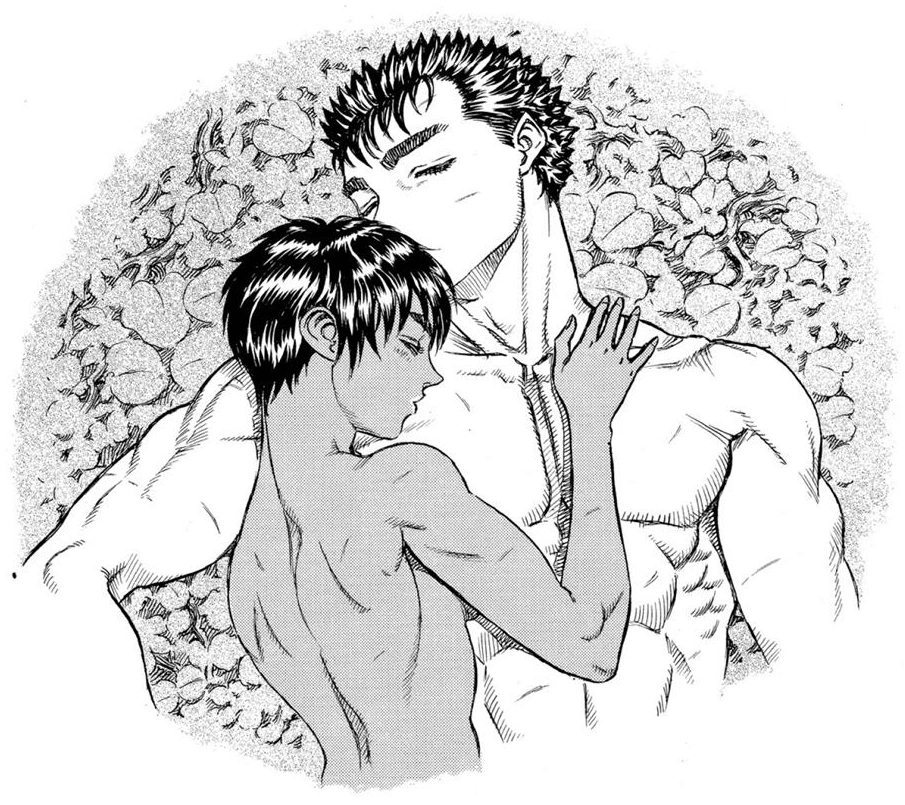
On May 6, 2021, the manga world lost one of its greatest artists. Kentaro Miura, creator of Berserk, passed away from acute aortic dissection at age 54. He left behind an unfinished masterpiece—a dark fantasy epic that had been running since 1989 and had influenced countless creators across all media. For months, fans grieved, uncertain whether Berserk would remain forever incomplete. Then, in June 2022, came an announcement that changed everything: Berserk would continue, supervised by Miura’s close friend Kouji Mori and drawn by Studio Gama, using Miura’s notes and verbal instructions.
⚠️ MANGA SPOILER WARNING: This article contains major spoilers through the current chapters, including Fantasia Arc events and post-Miura continuation.
Where We Are Now
The current state of Berserk represents both miracle and uncertainty. When Miura passed, the story had just delivered one of its most anticipated moments: Casca’s restoration. After over 20 years of manga time (and nearly as many in real life), Casca’s mind was finally healed by the elf magic of Elfhelm. Readers saw her reckon with her trauma, her complicated feelings toward Guts, and the path forward.
Then Griffith arrived.
The Fantasia Arc’s final chapters under Miura showed Griffith (in the body that houses both his consciousness and the reborn Moonlight Boy—the child of Guts and Casca) appearing at Elfhelm for reasons unknown. The very last chapter Miura completed depicted Griffith standing before Guts and Casca as the world seemed to hold its breath.
The continuation under Mori and Studio Gama has since:
- Revealed crucial backstory about Griffith and the Moonlight Boy’s relationship
- Shown the devastating aftermath of Griffith’s visit to Elfhelm
- Advanced the conflict between Guts’s party and Griffith’s forces
- Maintained remarkable visual fidelity to Miura’s style
As of the current chapters, Berserk is publishing regularly (monthly/bi-monthly) and progressing toward its final confrontation.
The Legacy Miura Left Behind
What We Know Miura Planned
Kouji Mori, a mangaka who was Miura’s close friend since their school days, has been transparent about what exists in terms of plans:
Verbal discussions: Miura spoke extensively with Mori about Berserk’s ending and key plot points. According to Mori, he knows “the broad strokes” of how the story was meant to conclude, though not every detail.
Notes and sketches: Studio Gama (Miura’s assistants who worked with him for years) possess production materials, character designs, and scene concepts that Miura created but hadn’t yet published.
The ending: Mori has confirmed that Miura told him how Berserk was supposed to end. While he hasn’t revealed details, he’s stated his commitment to honoring that vision.
Miura’s artistic philosophy: The assistants trained directly under Miura for years, absorbing his techniques for everything from the intricate armor designs to the grotesque apostle transformations.
What Makes This Continuation Special
Unlike many posthumous continuations, Berserk’s has significant legitimacy:
- Mori’s relationship with Miura predates Berserk itself. They met in high school and remained close for decades. Mori’s own manga career means he understands both storytelling and Miura’s specific approach.
- Studio Gama trained under Miura for years. These aren’t random artists—they’re people who drew backgrounds, assisted with pages, and absorbed Miura’s techniques firsthand.
- Young Animal (the publisher) is being careful. Rather than rushing chapters, they’ve maintained a deliberate pace that prioritizes quality over speed.
- Transparency with fans. Mori wrote directly to readers about what he knows, what he doesn’t, and his commitment to honoring Miura. This honesty has built trust.
Top Theories for Berserk’s Conclusion
Theory 1: Guts Will Kill Griffith But Die in the Process
The most classically tragic ending theory suggests Guts will finally defeat Griffith but at the cost of his own life—and possibly Casca’s as well.
Evidence:
- Berserk has never shied from tragedy. The Eclipse remains one of the most horrific events in manga history.
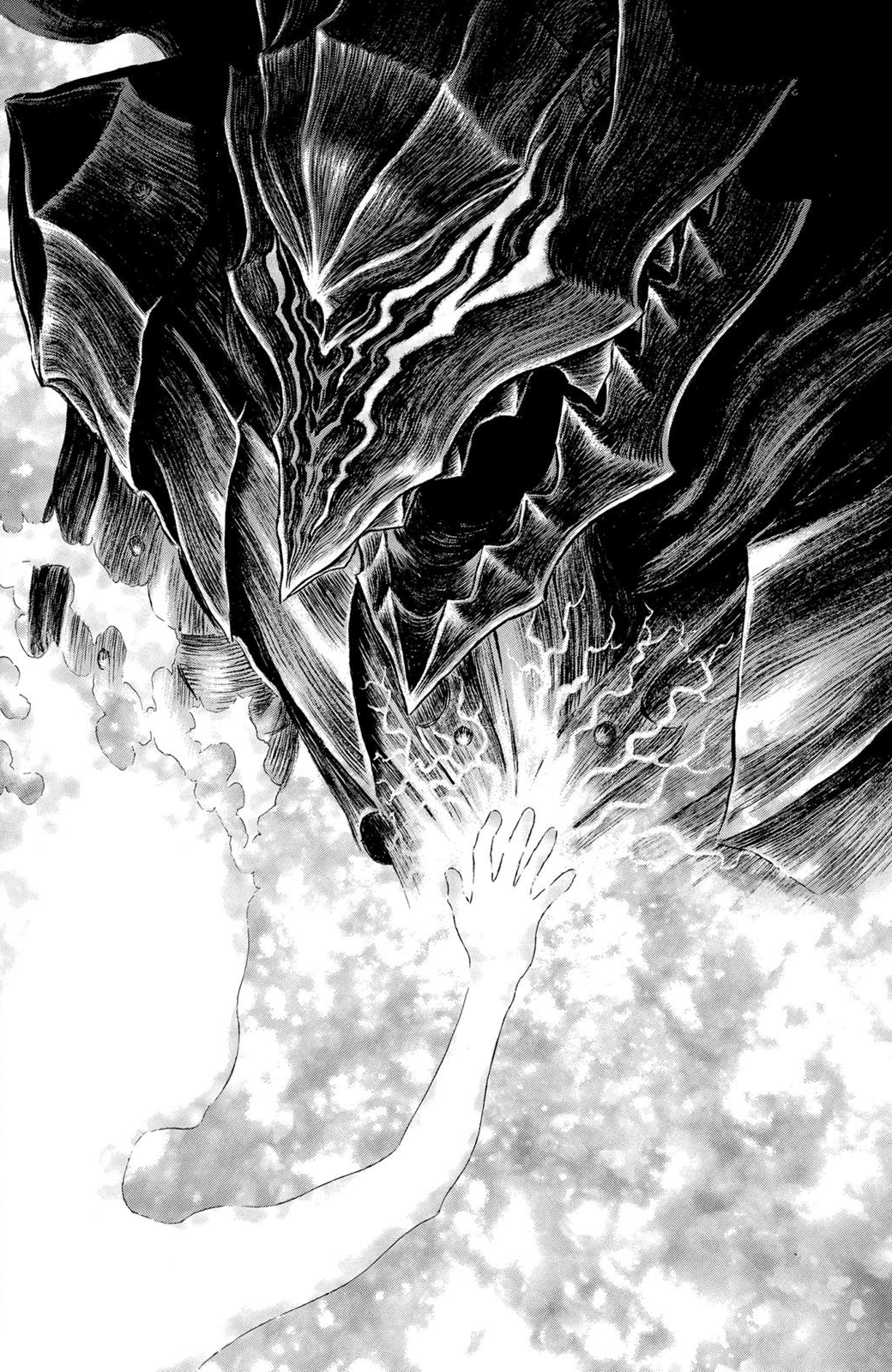
- Guts’s body is failing. Years of wearing the Berserker Armor have taken a severe toll—he’s losing sight in his remaining eye, his hair is graying, and the armor’s beast threatens to consume him.
- The Skull Knight’s history suggests the cycle of struggle against the God Hand may be unbreakable. He’s fought for centuries without ultimate victory.
- The karmic weight of the story seems to demand blood payment.
The execution: This theory suggests Guts finds a way to separate the Moonlight Boy from Griffith (perhaps sacrificing his connection to his and Casca’s child), then uses the Dragon Slayer (which has absorbed enough apostle blood to harm astral beings) to finally destroy Griffith. But the effort kills him, leaving Casca and their child to live in a world freed from Griffith’s reign.
Theory 2: Breaking the Cycle—Guts Finds Another Way
A more hopeful theory suggests Miura planned something more subversive: Guts breaking the cycle of revenge that defined his journey and finding a path that doesn’t require mutual destruction.
Evidence:
- Post-Eclipse Berserk increasingly focused on Guts’s found family and healing rather than pure vengeance
- The Berserker Armor represents pure hatred, and resisting it has been Guts’s character growth
- Schierke, Farnese, Serpico, Isidro, and the others have given Guts reasons to live beyond revenge
- Miura spoke in interviews about wanting to show Guts’s growth and the importance of companions
- The Moonlight Boy complicates the “kill Griffith” narrative—that’s also Guts’s son
The execution: Perhaps Guts finds a way to separate Griffith from the Moonlight Boy without destroying either, or discovers that defeating Griffith doesn’t require becoming a monster himself. This would thematically contrast the Eclipse, where sacrifice and betrayal created Griffith’s power—here, love and connection might undo it.
Theory 3: The Skull Knight’s True Plan
The Skull Knight (Gaiseric, the ancient emperor) has been manipulating events for centuries. Some theories suggest Berserk’s ending centers on his millennia-long plan finally coming to fruition—with Guts as the final piece.
Evidence:
- The Skull Knight gave Guts the Berserker Armor and has appeared at critical moments
- His Behelit sword can cut dimensions and wounded Femto
- He has more knowledge about the God Hand and Idea of Evil than any other character
- His own tragedy (losing his kingdom and possibly his own lover to Void) parallels Guts’s story
The execution: The Skull Knight has been gathering weapons and warriors across time, waiting for specific astral alignments or conditions. Guts might be the culmination of this plan—a human who can wield sufficient hatred to cut through causality while maintaining enough love to direct that power correctly.
Theory 4: The God Hand Cannot Be Destroyed
The darkest theory: Berserk’s ending acknowledges that some evils cannot be defeated, only survived.
Evidence:
- The Idea of Evil (shown in a chapter Miura later considered non-canon but revealing) represents humanity’s collective dark desires. It created the God Hand. Even destroying them wouldn’t eliminate the underlying human darkness.
- The Skull Knight has fought for over 1000 years without success
- Causality itself seems controlled by the God Hand—can anyone truly escape fate?
The execution: Guts kills Griffith but another God Hand rises. Or Griffith is defeated but Falconia’s utopia collapses, showing humanity needs its dark dreams. Or Guts simply finds peace, retiring with Casca and their companions while the God Hand continues to exist—a victory not of destruction but of personal salvation.
What’s Most Likely
Based on Miura’s stated artistic philosophy and the story’s trajectory before his death, the ending likely involves:
Guts defeating Griffith—but through character growth, not just strength. Miura spent decades developing Guts from a rage-filled revenge machine into someone who could love, protect, and rely on others. The ending will probably honor that growth.
The Moonlight Boy’s role is crucial. The child represents the fusion of Guts/Casca’s love and Griffith’s theft. Separating or resolving this connection will likely be central to the finale.
A bittersweet conclusion. Berserk has never been about happy endings, but Miura’s later work suggested hope. The most likely ending offers peace at a price—Guts surviving but scarred, or dying but having achieved something meaningful.
The Beast of Darkness as the final antagonist. Guts’s internal battle against his own hatred may be the real final boss. If he defeats Griffith while succumbing to the beast, has he really won?
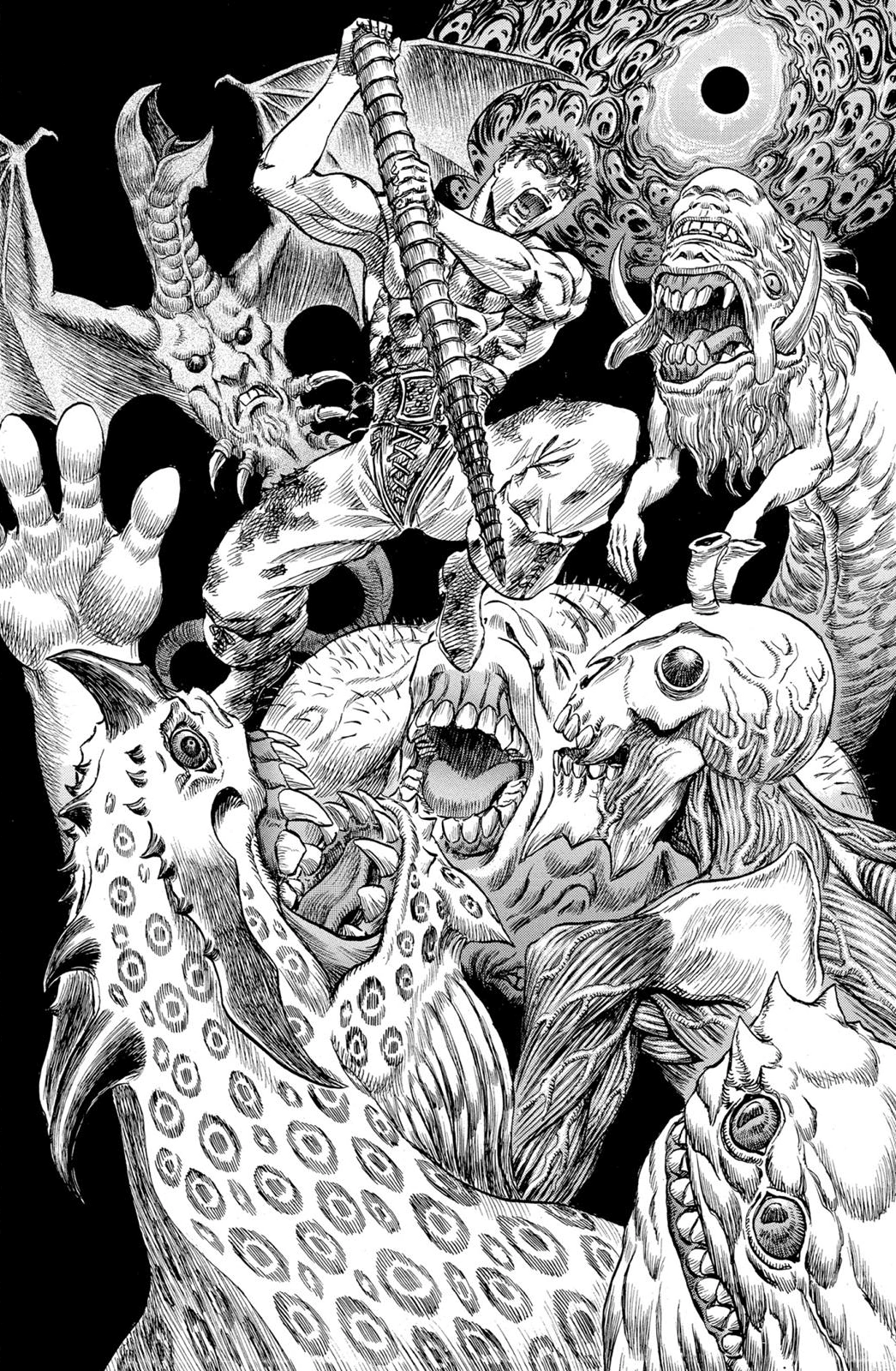
Mori and Studio Gama appear committed to delivering this vision, though they’ve acknowledged they’ll have to fill in details Miura never specified. The core ending should be Miura’s; the execution will be a collaboration.
When to Expect Resolution
Current publication pace: Berserk releases chapters monthly or bi-monthly, with occasional longer breaks. Each chapter is substantial (often 20-30 pages of Miura-level detailed artwork).
Estimated remaining length: Based on story progression, fans estimate somewhere between 30-80 more chapters to reach conclusion. At current pace, this means:
Optimistic timeline: Berserk concludes by 2027-2028
Realistic timeline: Berserk concludes by 2029-2031
The anime situation: The 2016/2017 anime adaptation was poorly received. A better adaptation (potentially covering the Fantasia arc and beyond) may come after the manga concludes, possibly in the mid-2030s.
Berserk’s continuation represents something unprecedented in manga: a respectful, authorized completion of an unfinished masterpiece by people who knew the creator intimately. It’s not the same as having Miura himself, and that loss will always haunt the series. But it’s far better than the alternative of eternal incompletion.
For fans who have followed Guts’s journey for decades, the promise of an actual ending—one that honors Miura’s vision—is itself a form of salvation. The struggler will finally rest.
Related: Berserk Watch Order Guide, Apostle Rankings Explained, The Eclipse Arc Analysis
You Might Also Like
- Best Anime of Winter 2026: Complete Guide and Rankings
- Best Anime of Winter 2026: Complete Guide and Rankings
- Best Anime of 2025: Complete Rankings