Geto Suguru: From Hero to Villain Explained
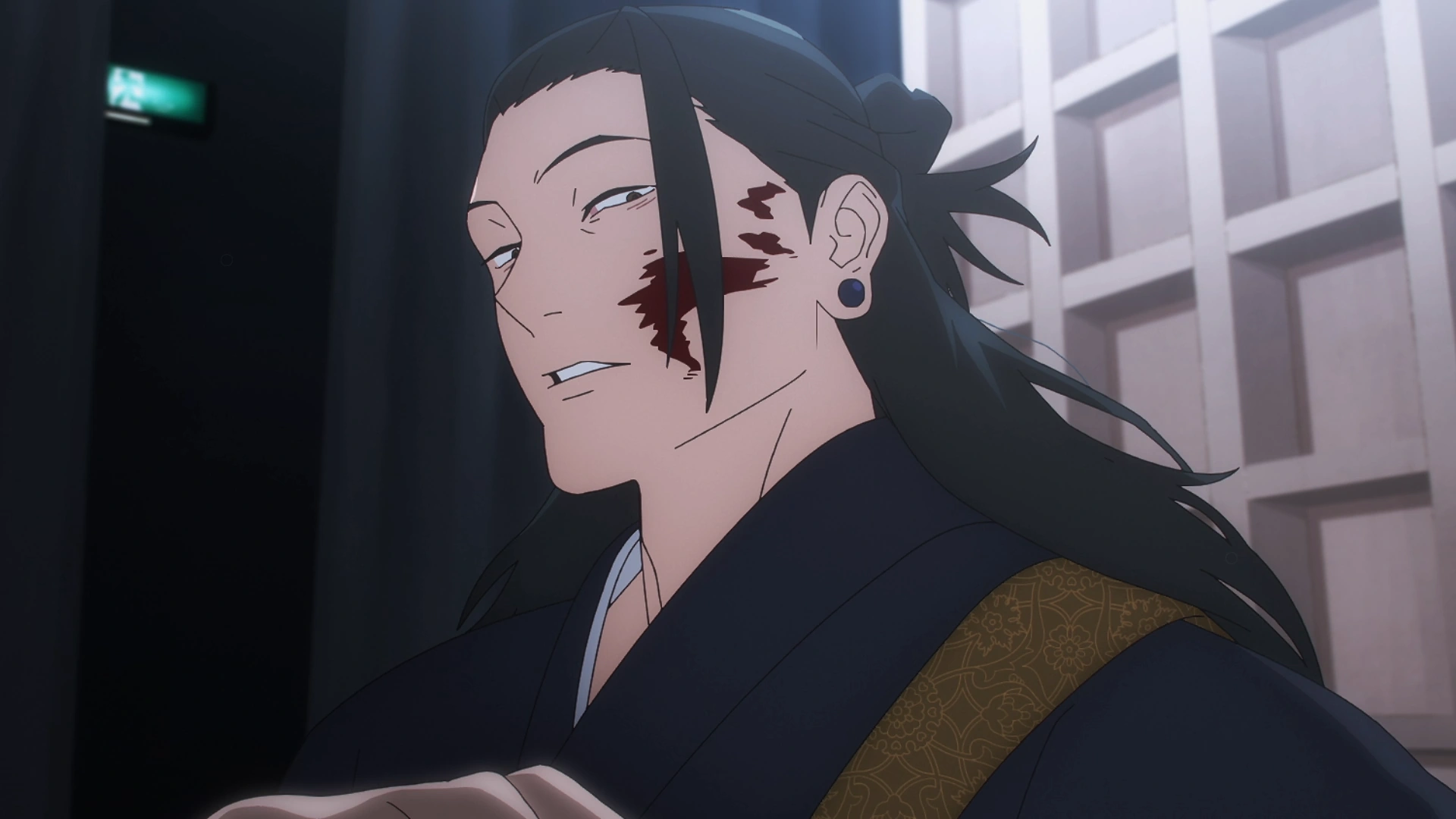
Geto Suguru might be Jujutsu Kaisen’s most tragic character. A former jujutsu sorcerer of extraordinary talent, best friend to Gojo Satoru, and idealistic protector of humanity—Geto’s descent into genocidal extremism represents a perfect storm of trauma, disillusionment, and logical conclusions drawn from horrific experiences.
His philosophy isn’t irrational. That’s what makes it terrifying. Geto looked at the jujutsu world clearly, asked uncomfortable questions, and arrived at answers that led him to mass murder. Understanding his journey reveals how good people become monsters when systems fail them.
⚠️ Spoiler Warning: This article covers Hidden Inventory, Jujutsu Kaisen 0, and major manga spoilers through Shibuya.
Background & Origins
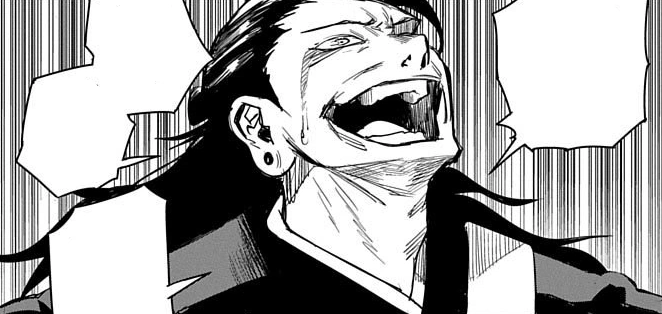
Geto Suguru enrolled in Jujutsu High as one of the most talented students in history. Alongside Gojo Satoru, he formed an elite duo—their combined power exceeding most Jujutsu graduates. Where Gojo was arrogant and playful, Geto was thoughtful and serious. They balanced each other perfectly.
His innate technique, Cursed Spirit Manipulation, allowed him to absorb and control cursed spirits by consuming them. The process was disgusting—Geto described it as swallowing rotten rags—but the results were overwhelming. He could field armies of curses, combining their abilities strategically.
At this point, Geto genuinely believed in protecting ordinary people. “The strong should protect the weak” was his philosophy. He executed missions diligently, killed curses efficiently, and trusted the jujutsu institution to support righteous work.
Then came the mission that broke him.
The Fall: Hidden Inventory
The assassination of Riko Amanai shattered something in Geto. He and Gojo had protected her—formed genuine connection—and then she died anyway. Worse, the religious fanatics who wanted her dead celebrated. Regular humans cheered the murder of a young girl.
But the true breaking point came after. Geto was assigned to a village where sorcerers were being killed. He discovered that the villagers themselves—non-sorcerers—had been caging and torturing two young girls who happened to have cursed energy. They kept these children in horrific conditions, blaming them for curses the village experienced.
“These people… we fight and die to protect these people.”
Geto killed everyone in that village. Every single person who had tortured those girls. He saved the children—Mimiko and Nanako, who would become his adopted daughters—but something fundamental changed. The villagers weren’t possessed by curses. They weren’t deceived. They were simply… human. And humans, when confronted with the unknown, responded with cruelty.
Philosophy of Extermination
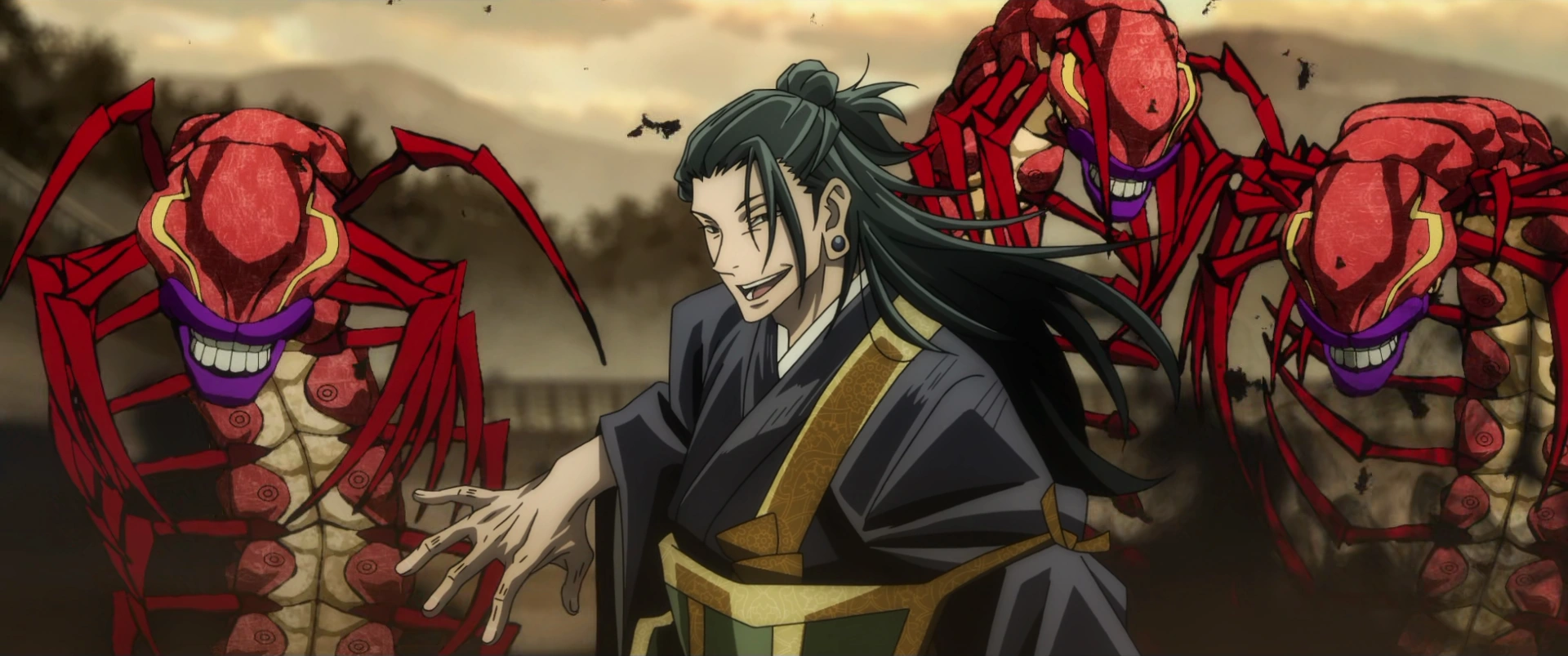
Geto’s logic proceeded from observed facts:
- Curses are created by negative human emotions
- Non-sorcerers cannot see curses and don’t contribute to fighting them
- Non-sorcerers often fear and persecute sorcerers
- Eliminating non-sorcerers would eliminate curses entirely
“A world of sorcerers only” became his goal. Not from hatred—Geto didn’t seem to enjoy killing—but from utilitarian calculation. In his view, the eternal suffering of sorcerers dying to protect people who would torture them wasn’t justified. Removing the source (non-sorcerers) would create permanent peace.
This makes Geto a villain who isn’t wrong about the problems he identifies. Non-sorcerers do create curses. The jujutsu world is built on sorcerer suffering. Young children do die fighting entities created by the population they protect. These are facts.
Where Geto failed was his solution. His genocide calculation ignored the humanity of non-sorcerers, treating them as curse-generating machines rather than people. It also assumed sorcerer society would be peaceful—ignoring that sorcerers themselves are human and would generate their own conflicts.
The Night Parade of a Hundred Demons
Geto’s assault on Jujutsu High tested his philosophy at scale. He mobilized thousands of curses against Tokyo, forcing a confrontation that would eliminate either him or the jujutsu establishment.
During this battle, he faced Yuta Okkotsu—a first-year student bonded to Rika, possibly the most powerful cursed spirit ever manifested. Their fight revealed something crucial about Geto’s psychology.
When Yuta, empowered by Rika’s love, overwhelmed him, Geto didn’t rage. He almost seemed… relieved.
“Jujutsu is truly… boundless and amazing.”
His final words to Gojo, who came to kill him personally, were telling:
“Myستخدم… my soul knows noستخدم peace. But I have no regrets.”
Gojo’s response—”You’re my one and only best friend”—and the tears he shed while delivering the killing blow reveal the tragedy’s depth. These men loved each other. Nothing in their conflict changed that.
Powers & Abilities
Cursed Spirit Manipulation
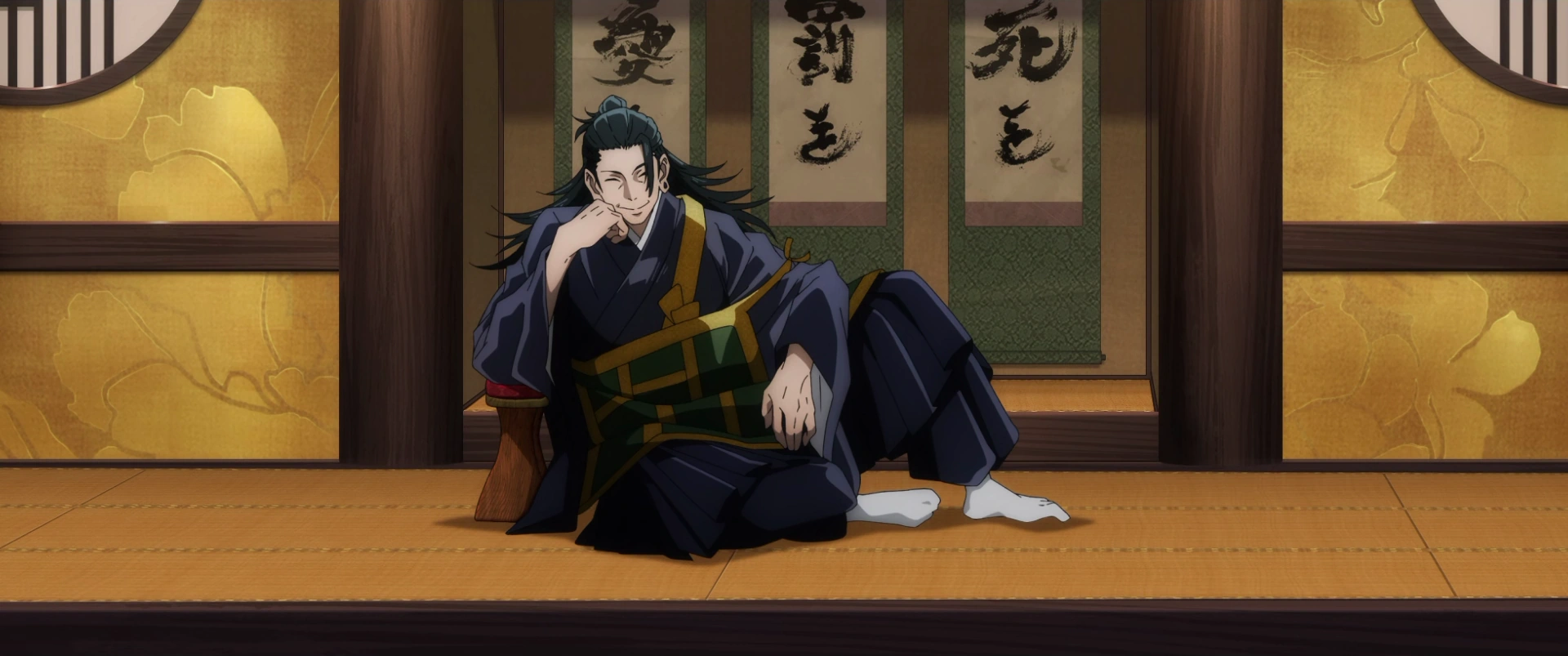
Geto’s technique allowed him to consume and control curses below his power level. His arsenal at peak included over 4,000 cursed spirits, making him essentially a one-man army.
Strategic applications included:
- Combination Attacks: Using multiple curses’ abilities simultaneously
- Fodder Waves: Overwhelming opponents with curse numbers
- Maximum: Uzumaki: Combining absorbed curses into a single devastating attack, gaining their cursed techniques
Physical Combat
Beyond his technique, Geto was a skilled hand-to-hand combatant. He survived against Yuta’s Rika-enhanced attacks longer than most could, demonstrating durability and combat sense that matched his spiritual power.
Tactical Intelligence
Geto’s true danger was his planning capability. The Night Parade required coordinating thousands of curses across Tokyo while simultaneously engaging at Jujutsu High. His defection from jujutsu society meant he understood defender psychology and exploited it effectively.
After Death: Kenjaku’s Vessel
Geto’s story doesn’t end with his death. The ancient curse user Kenjaku claimed his body, using Cursed Spirit Manipulation for his own millennium-spanning plans.
This violation adds layers to Geto’s tragedy. His body now commits atrocities he wouldn’t have chosen. His face speaks words that aren’t his. When Gojo saw “Geto” at Shibuya, his moment of hesitation—recognizing his friend’s body—contributed to his sealing.
Even in death, Geto’s existence serves others’ purposes.
The Body Rebels
Yet Geto’s consciousness seems partially present. When Kenjaku prepared to attack Jujutsu High students, Geto’s hand moved on its own, trying to strangle his possessed body.
“I’ve always thought of you… as my only friend.”
This echo of Gojo’s words suggests some fragment of Geto Suguru persists, fighting from within. Whether he’ll contribute to Kenjaku’s eventual defeat remains unknown, but the possibility offers redemption—however small.
Character Analysis
The Idealist’s Trap
Geto’s downfall illustrates how idealism can curdle into extremism. He began wanting to protect everyone and ended deciding most people didn’t deserve protection. The transition occurred gradually through accumulated trauma, each incident confirming his darkening worldview.
This is realistic. Radicalization often follows similar patterns—legitimate grievances twisted through isolation and reinforcement into justified atrocity. Geto didn’t snap randomly; he processed experiences through increasingly warped logic.
Friendship That Couldn’t Save
Gojo could have helped Geto process his trauma. Instead, caught up in his own growing power, Gojo failed to notice his friend’s descent. By the time they spoke honestly, it was too late.
This failure haunts Gojo. His later investment in students—particularly Yuta—partly attempts to succeed where he failed with Geto. Saving Yuta from isolation redeems his failure to save Suguru from it.
Legacy in Modern Jujutsu
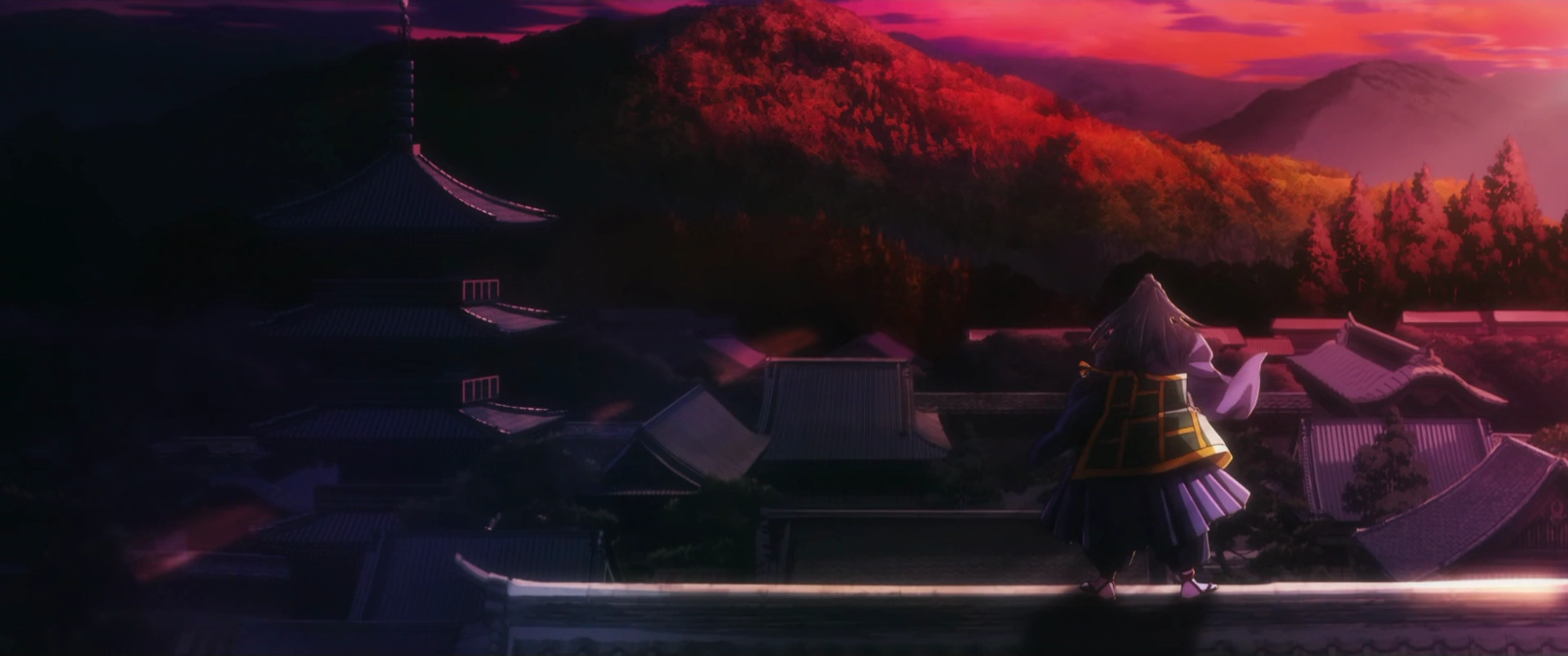
Geto’s ideology survived him. His curse user organization continues operating, and his philosophical questions remain unanswered by jujutsu society. How much suffering justifies protecting ungrateful populations? When does the protector have the right to stop?
These questions persist because they’re legitimate. Geto’s answers were wrong, but his questions weren’t.
Legacy & Impact
Geto Suguru serves as Jujutsu Kaisen’s moral complexity engine. He makes simple heroism inadequate—you can’t fight curses and pretend the system creating them is fine. His existence forces characters and readers to confront uncomfortable truths about their fictional world.
For fans wanting the complete Geto experience, Jujutsu Kaisen 0 covers the Night Parade in anime form. The Hidden Inventory arc (Season 2) shows his fall. Manga readers can explore both on Amazon.
The hero who became a monster because heroism wasn’t enough. The friend who couldn’t be saved because no one tried. The philosopher who asked the right questions and found the wrong answers.
Geto Suguru’s tragedy is that he saw clearly—and what he saw broke him.
Related: Jujutsu Kaisen Watch Order | Hidden Inventory Arc Explained | Gojo Satoru Character Analysis | JJK Power System Guide