⚠️ MASSIVE SPOILERS: This article discusses Attack on Titan’s complete story including the controversial ending. If you haven’t finished the manga or anime, turn back now.
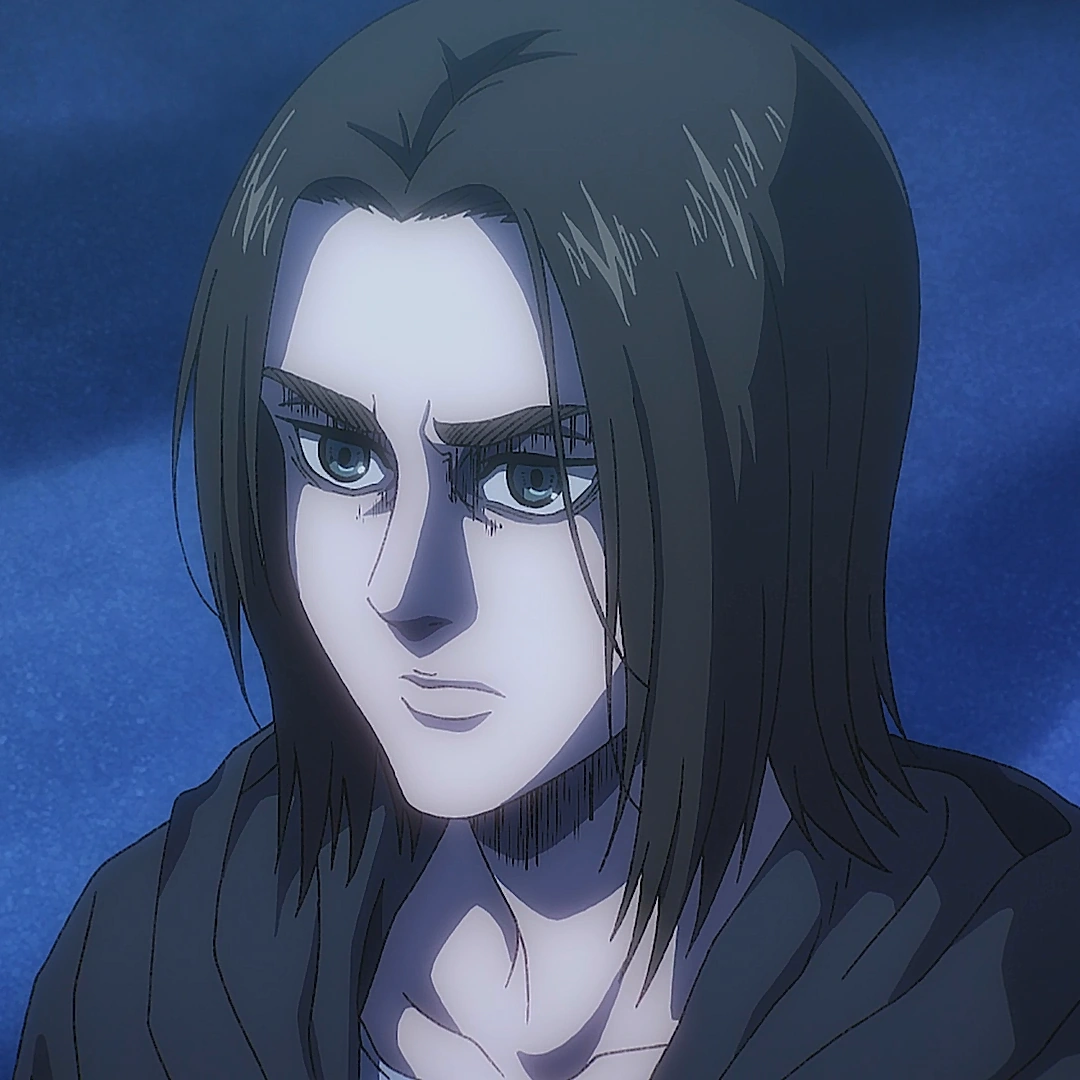
No character in modern anime history has sparked more debate than Eren Yeager. The boy who vowed to exterminate all Titans became the man who unleashed genocide upon 80% of humanity. The freedom-seeker became the oppressor. The protagonist became… what, exactly?
Hero? Villain? Victim? Monster? Savior?
The answer, like Eren himself, is complicated. Let’s break down one of fiction’s most complex character arcs and try to understand what Hajime Isayama created.
Part I: The Hero We Believed In
Childhood and the Fall of Shiganshina
Eren Yeager’s story begins in tragedy. In the year 845, the Colossal Titan breached Wall Maria, and a young Eren watched helplessly as a smiling Titan devoured his mother. In that moment, his defining trait was born: an almost pathological need for freedom and revenge.
But here’s what’s easy to forget: young Eren was genuinely heroic. He:
- Saved Mikasa from human traffickers at age nine (killing two of them)
- Possessed unwavering determination to protect those he loved
- Dreamed not of power, but of seeing the outside world
- Refused to accept the “cattle within walls” existence
His famous declaration—”I’ll destroy them all… every last one”—seemed righteous at the time. Titans ate humans. Eren wanted to kill Titans. Simple heroism.
The Survey Corps Years
Eren’s early military career reinforced his heroic image:
- He was willing to sacrifice himself repeatedly
- His Titan transformation was used exclusively to protect humanity
- He fought alongside comrades with genuine loyalty
- His goals aligned with everyone else’s—defeat the Titans, reclaim Wall Maria
During this period, Eren embodied the classic shonen protagonist. He was hotheaded, determined, and morally uncomplicated. The audience was meant to root for him without reservation.
The Turning Point
Everything changed when Eren touched Historia’s hand in the Crystal Cave and again at the medal ceremony. These contacts with royal blood activated glimpses of the future through the Attack Titan’s power. What did he see?
The Rumbling. His own future actions. The genocide he would commit.
From this moment, the Eren we knew began to die, replaced by someone burdened with terrible knowledge and an apparent inability—or unwillingness—to choose differently.
Part II: The Descent Into Villainy
Marley Arc — The Transformation Becomes Visible
When Eren infiltrates Marley alone, operates without telling his friends, and orchestrates the Liberio attack, he crosses several moral lines:
The Liberio Declaration of War: Eren attacks a civilian population, crushing innocents beneath his Titan transformation and killing members of the Tybur family. His justification? They declared war first. But he clearly manipulated events toward this outcome.
Manipulation of Friends: Eren uses Mikasa and Armin’s genuine concern for him to force the Survey Corps into supporting his operation, giving them no choice but to rescue him and fight.
Alliance with Zeke: Secretly working with his brother while hiding his true intentions from everyone.
The Eren who returns from Marley is cold, distant, and strategically cruel. He tells Mikasa her love is merely Ackerman instinct. He calls Armin useless. He beats his oldest friend bloody.
The Table Scene: Breaking Bonds
Perhaps no scene crystallizes Eren’s apparent villainy more than his confrontation with Mikasa and Armin. He:
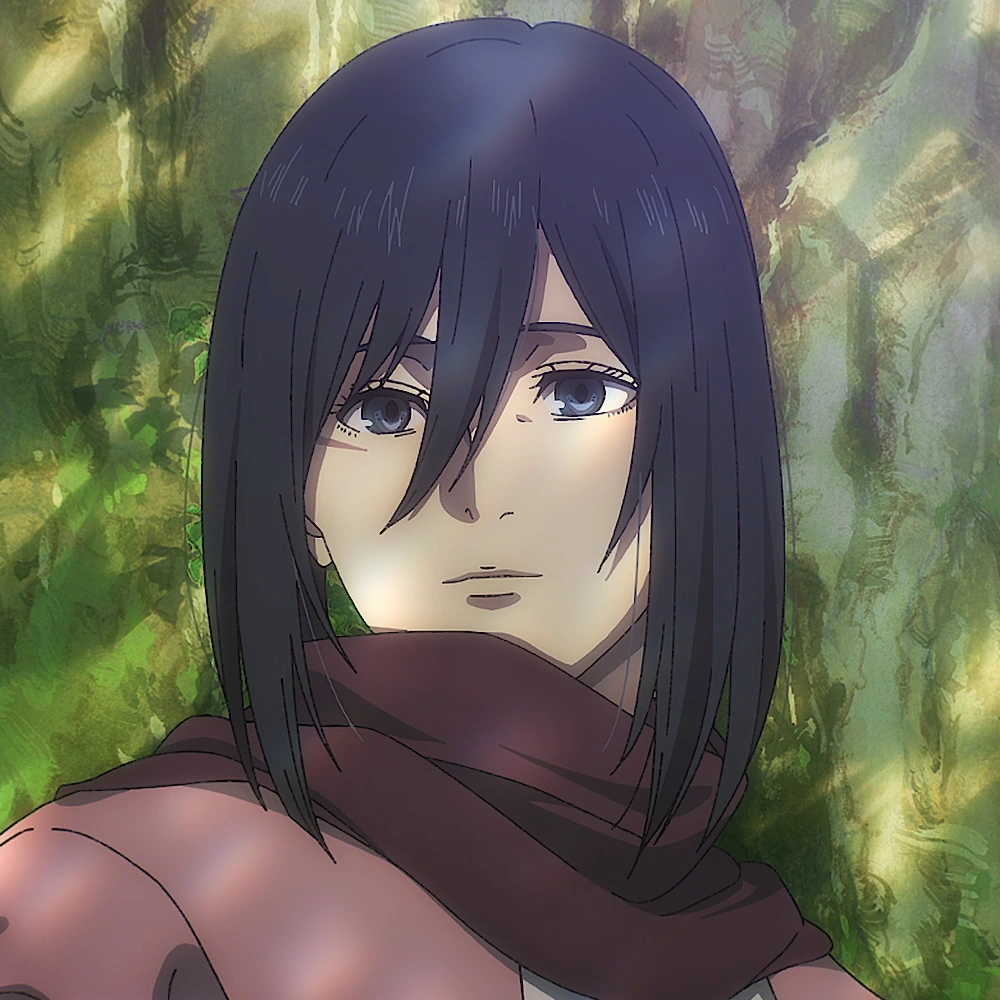
- Tells Mikasa he’s always hated her
- Mocks Armin for being influenced by Bertholdt’s memories
- Physically defeats both when they react
- Shows zero remorse
At this point, viewer/reader sympathy often breaks entirely. This isn’t the Eren we followed for years—this is someone monstrous wearing his face.
The Rumbling: Mass Murder Made Personal
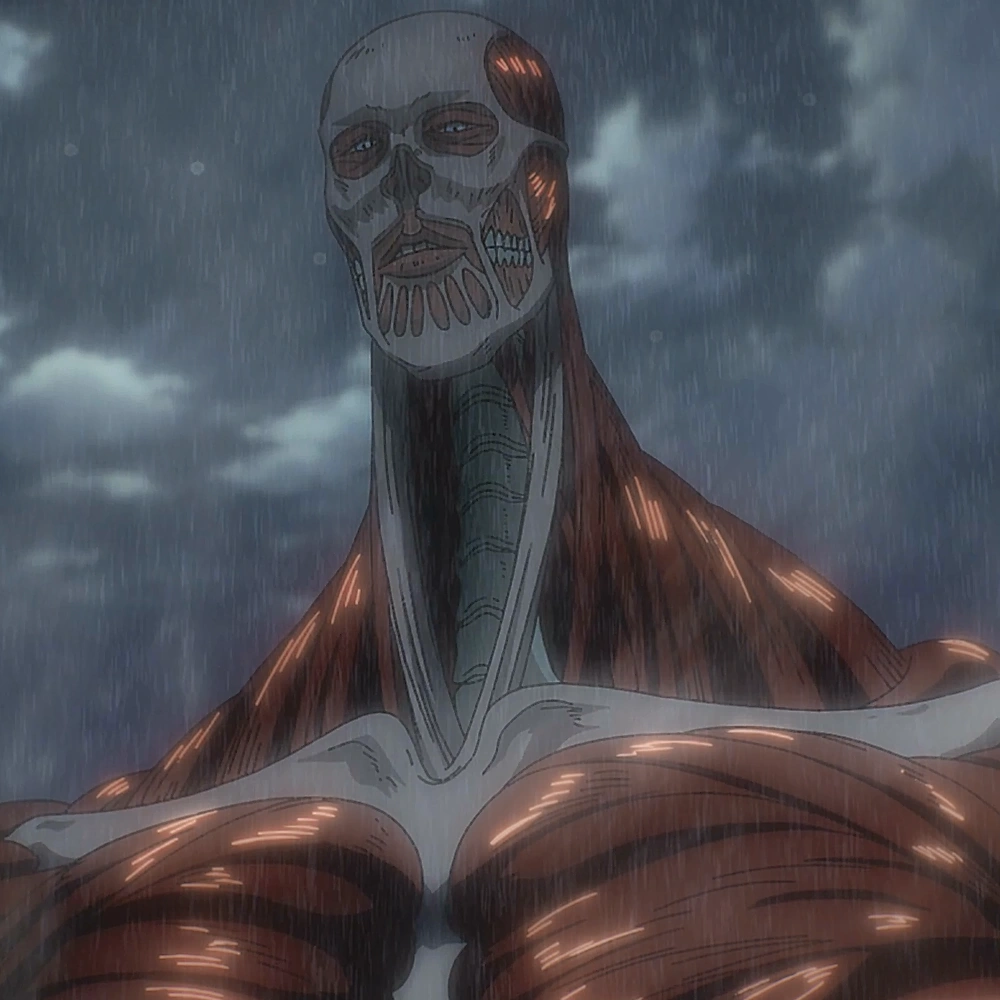
When Eren activates the Rumbling, he commits what is objectively the largest mass murder in human history (within the story):
- 80% of humanity outside Paradis is killed
- Countless civilian populations are exterminated
- Children, families, innocents—none are spared
- The death toll is in the billions
No moral framework can easily justify this. Eren’s actions meet every definition of genocide, crimes against humanity, and mass murder. By any conventional measure, he became one of fiction’s greatest monsters.
Part III: The Defense — Was Eren Justified?
Despite the atrocities, a significant portion of the fanbase argues Eren was either justified or sympathetic. Let’s examine these arguments honestly.
The Threat Was Real
Paradis faced genuine existential danger:
- Marley was preparing full-scale invasion
- The world’s nations viewed Eldians as devils deserving extinction
- Diplomatic solutions had failed
- Partial measures (destroying military forces only) would invite future retaliation
Eren didn’t invent the threat to Paradis—it existed independently of his actions. His people really were facing genocide themselves.
The Euthanasia Alternative
Zeke’s plan—sterilizing all Eldians to peacefully end the Titan curse—was presented as the “humane” alternative. But was it better?
- It still meant the extinction of Eren’s people
- It denied future generations the right to exist
- It accepted that Eldians were the problem to be eliminated
Eren rejected sacrificing his people’s future. Whatever his crimes, this motivation wasn’t purely selfish.
Determinism and Free Will
The Attack Titan grants future memory inheritance. Eren saw what he would do before he did it. This raises uncomfortable questions:
- Could Eren have chosen differently?
- Was he living out a predetermined timeline?
- Does inevitability change moral responsibility?
The manga suggests Eren was trapped by his own future memories, seeing no path that didn’t end in the Rumbling. Whether this absolves him is up to interpretation.
The Long-Term Outcome
Eren’s stated goal was ensuring Paradis’s survival and making his friends into heroes who stopped him. To some degree, this worked:
- The immediate military threat was eliminated
- The Alliance gained credibility as Titan slayers
- Paradis gained time (though the manga’s extended ending shows eventual war)
Whether this “justified” killing billions is the central moral question of the series.
Part IV: The Final Reveal — Neither Hero Nor Pure Villain
Chapter 139 and the Full Picture
The manga’s finale revealed crucial information that recontextualizes everything:
Eren knew his friends would stop him: He explicitly planned to be stopped at 80%, not 100%. The Rumbling was always meant to be interrupted.
Eren didn’t want to do it: His conversation with Armin shows a person in anguish, not a monster enjoying destruction. “I don’t want to die… I want to be with Mikasa… everyone…”
Eren loved his friends: The cruel words were lies designed to push them away, both for their safety and so they could oppose him with clear consciences.
Eren was, in part, a child who never got past his mother’s death: His breakdown about Mikasa finding another man reveals someone far more vulnerable than the cold mastermind he presented.
The Tragic Interpretation
The most sympathetic reading of Eren:
- A traumatized child given godlike power he couldn’t handle
- Trapped by future memories showing him his own atrocities
- Unable to escape the path leading to the Rumbling
- Sacrificing his morality, sanity, and life to save his friends
- Dying as the devil so Paradis and his loved ones could live
Under this view, Eren is a tragic figure who bore unbearable burdens and made impossible choices with full knowledge of what they would cost him.
The Critical Interpretation
The less sympathetic reading:
- Eren chose this path and could have chosen differently
- His breakdown doesn’t erase billions of deaths
- “Making friends into heroes” doesn’t justify genocide
- The “sad backstory” doesn’t excuse mass murder
- His crying over Mikasa undermines the idea of noble sacrifice
Under this view, Eren is a villain who wants sympathy he doesn’t deserve, using trauma to excuse the inexcusable.
Part V: Legacy and Ending Interpretation
What the Extended Ending Shows
The manga’s additional pages reveal:
- Paradis eventually faces war again (and apparent destruction)
- Peace was not permanent
- The cycle of violence continued
- A child discovers Eren’s tree (now containing the source of all organic matter)
This ending suggests:
- Eren’s sacrifice didn’t end conflict—it delayed it
- Violence begets violence, even when “successful”
- The themes reject easy answers about ends justifying means
What Isayama Was Saying
Hajime Isayama has given various interviews suggesting his intentions:
- He wanted to hurt readers emotionally
- He didn’t intend for Eren to be simply heroic or villainous
- The story is about the cycle of violence and hatred
- Easy moral answers were never the goal
The Final Verdict: Hero or Villain?
After examining every angle, here’s the honest assessment:
Eren is a villain by any moral standard. He committed genocide. He killed billions of innocents. He made choices that directly caused unfathomable suffering.
Eren is also a tragic figure. He was shaped by trauma, burdened by future sight, and placed in impossible circumstances where every choice was catastrophic.
Eren is also a cautionary tale. About how trauma without healing creates monsters. About how the abused can become abusers. About how nationalism and fear fuel atrocity.
The answer to “hero or villain?” is yes. Both. Neither. Something more complicated that doesn’t fit cleanly into either box—which is exactly what made Eren one of the most compelling characters in anime history.
He is the protagonist who became the final antagonist. The freedom-seeker who enslaved himself to a terrible future. The friend who pushed everyone away because he loved them. The monster who cried for the life he couldn’t have.
Eren Yeager was never meant to be easy to classify. That difficulty is his legacy.
Where to Experience the Complete Story
Anime: Attack on Titan Final Season THE FINAL CHAPTERS adapts the complete ending. Available on Crunchyroll.
Manga: Attack on Titan Complete Box Set on Amazon
The manga contains the extended ending with additional pages not yet in the anime.
Conclusion
The debate over Eren Yeager will continue as long as people watch Attack on Titan. He’s designed to be controversial, designed to challenge your moral frameworks, designed to make you uncomfortable regardless of your conclusion.
Whether you see him as a tortured hero who sacrificed everything, a monster masquerading behind tragic circumstances, or something between—you’re not entirely wrong. Eren Yeager contains multitudes, contradictions, and the full spectrum of human capacity for both love and cruelty.
That’s what makes him unforgettable.
Related: Attack on Titan Watch Order Guide | Anime With Dark Endings | Best Anti-Heroes in Anime
You Might Also Like
- Eren Yeager: Hero or Villain? The Complete Final Analysis
- Attack on Titan Complete Watch Order 2026: From Walls to Freedom
- Attack on Titan Complete Watch Order 2026: From Walls to Freedom