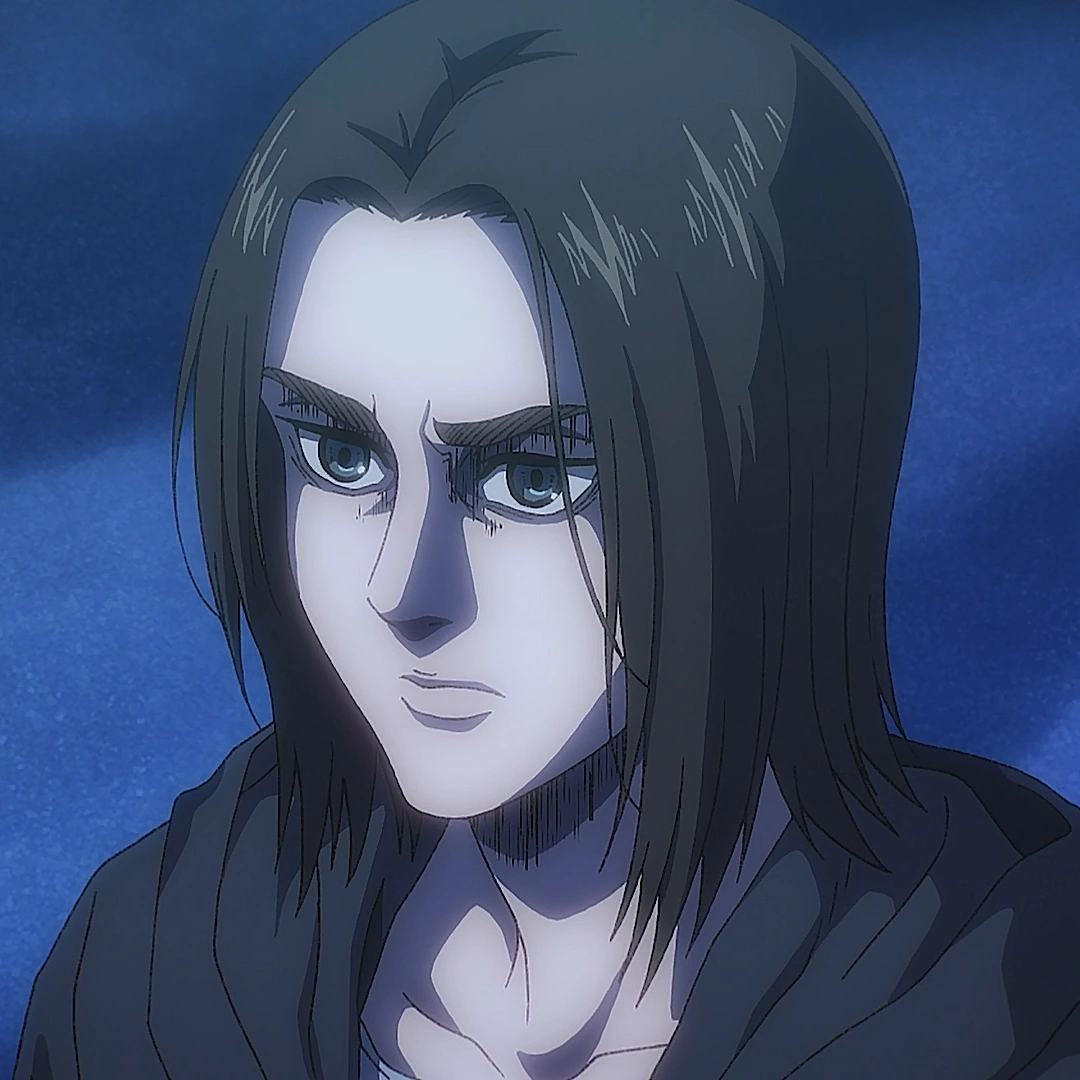
Attack on Titan’s ending remains one of the most discussed finales in anime history. Hajime Isayama concluded his 11-year masterpiece with revelations that recontextualized everything—Eren’s true motivations, Ymir’s 2,000-year wait, the nature of freedom, and whether genocide could ever be justified. The ending divided fans, sparked endless debate, and even received additional pages that further complicated the narrative.
This guide breaks down every aspect of the ending: what actually happened, what it meant, and why it inspired both praise and criticism in equal measure.
What Actually Happens: The Final Arc Summary
For those who need a refresher, here’s the sequence of events in the Rumbling arc:
The Rumbling Begins
Eren makes contact with Zeke in the Paths dimension, convincing Ymir Fritz to grant him the Founding Titan’s full power. Despite Zeke’s euthanasia plan, Eren activates the Rumbling—unleashing millions of Colossal Titans to flatten the world outside Paradis.
The Alliance Forms
Paradis Eldians and Marleyan Warriors put aside generations of hatred to stop Eren. The combined group includes Mikasa, Armin, Jean, Connie, Levi, Reiner, Annie, Pieck, and Falco—representing both sides of the conflict.
The Final Battle
The Alliance confronts Eren’s skeletal Founding Titan form. Through brutal fighting, they discover Eren has brought past Titan shifters to fight against them. Key deaths include Hange Zoë (buying time against Colossal Titans) and many unnamed soldiers.
Armin’s Conversation in Paths
While the battle rages, Armin is pulled into Paths where he speaks with Eren. This conversation reveals Eren’s true mindset and becomes central to understanding the ending.
The Conclusion
Mikasa enters Eren’s Titan and decapitates him, ending the Titan powers forever. Ymir Fritz witnesses Mikasa’s choice and finally releases her attachment to King Fritz. The curse of the Titans ends—all Eldians return to human form, including the Pure Titans.
Eren’s True Plan Explained
The ending reveals Eren’s motivations were more complex than simple villainy or heroism:
The Memory Revelation
When Eren kissed Historia’s hand during the ceremony (Season 3), he received his future memories—the complete vision of what he would do, including the Rumbling. From that moment, Eren knew everything: his death, the outcome, the 80% genocide.
This creates a deterministic tragedy. Eren didn’t choose this path—he saw it was inevitable and resigned himself to completing it.
Eren’s Stated Goals
According to his Paths conversation with Armin, Eren had multiple motivations:
The 80% Question
Why did Eren stop at 80%? Several explanations exist:
The number feels arbitrary—and that’s intentional. Genocide, whether 80% or 100%, is equally monstrous. The story doesn’t suggest 80% was acceptable.
Ymir Fritz’s Choice
The most thematically crucial element of the ending involves Ymir Fritz, the original Titan, who spent 2,000 years in Paths awaiting “someone.”
Ymir’s Backstory
Ymir was a slave who gained the Titan power through the parasitic creature in the tree. Despite having godlike power, she remained psychologically enslaved to King Fritz—even after death. In Paths, she continued making Titans because she couldn’t let go of her twisted love for her abuser.
The Love Parallel
The ending reveals Ymir was waiting to witness someone in her exact situation make a different choice. Mikasa loved Eren absolutely—and Eren became a monster. Yet Mikasa chose to kill him anyway.
This showed Ymir that love doesn’t require absolute subservience. Ymir could have killed King Fritz after he hurt her, but she didn’t. Mikasa could have let Eren live, but she chose justice over blind devotion.
Freedom From the Curse
Witnessing Mikasa’s choice freed Ymir from her 2,000-year attachment. She finally let go, ending the Titan curse forever. All Eldians lost their Titan abilities, all Pure Titans became human again, and the Paths dimension presumably ceased to exist.
This is why Mikasa specifically had to kill Eren—only a parallel situation to Ymir’s could free her.
The Time Loop Theory
Attack on Titan employs a closed time loop through the Attack Titan’s ability to see future inheritors’ memories and send memories backward.
How It Works
Eren’s Lack of Free Will
The ending implies Eren never had real choice. He saw his future, and that future was fixed. His “freedom” was an illusion—he was always walking toward the destination he’d already witnessed.
This recontextualizes Eren’s character throughout the series. His determination wasn’t conviction but resignation. He kept moving forward because he knew he had to, not because he chose to.
The Paradox
If Eren saw the future, did he cause it or was it always going to happen? The series suggests the latter—a deterministic universe where Eren’s actions were predetermined by the nature of the Attack Titan’s power.
The Extra Pages: What They Add
Months after the original ending, Isayama released additional pages that significantly altered the finale’s implications:
Paradis Gets Destroyed
The extra pages show that generations later, Paradis is destroyed by bombing. The war Eren tried to prevent eventually happened anyway—his genocide bought time but didn’t achieve lasting peace.
The Tree Returns
A boy resembling Eren approaches the giant tree where Mikasa was buried. The tree has grown to resemble the original tree where Ymir found the Titan parasite. The implication: the cycle might begin again.
What This Means
The extra pages add nihilistic weight to the ending. Eren’s crimes were ultimately pointless—human nature ensured war would continue regardless. But there’s also tragic beauty in Mikasa living a full life, having a family, and being buried under “their” tree.
The ambiguous final panel suggests cycles of violence may be inevitable—but also that individuals can find peace within them.
Fan Reception: Why It Divided People
The Criticism
“Eren was character assassinated”: Many felt Eren’s breakdown over Mikasa (admitting he didn’t want her to be with another man) undermined his stoic development throughout the final arc.
“The 80% feels arbitrary”: Critics argued the specific number made genocide seem like a math problem rather than an absolute moral horror.
“Ymir’s love for King Fritz is disturbing”: Explaining Ymir’s slavery through twisted love felt like romanticizing abuse to some readers.
“It undermines earlier themes”: The story seemed to criticize blind nationalism and cycles of violence—but then ended with Paradis destroyed anyway, suggesting resistance was pointless.
“Mikasa’s importance came from nowhere”: Some felt Mikasa’s centrality to ending the curse wasn’t properly foreshadowed.
The Defense
“Eren was always this way”: Supporters argue Eren’s breakdown showed his humanity beneath the monster facade. He wasn’t a god—he was a traumatized 19-year-old who wanted to live.
“The point is genocide doesn’t work”: The extra pages prove Eren’s plan was futile. The story doesn’t endorse genocide—it shows it can’t achieve lasting peace.
“Ymir’s psychology is realistic”: Abuse victims often develop complicated attachments to abusers. Showing this isn’t endorsement.
“Tragedy requires this outcome”: Attack on Titan was always a tragedy about cycles of violence. Happy endings would undermine that core theme.
Thematic Analysis: What It All Means
Freedom vs. Determinism
Eren sought absolute freedom but was the least free character—bound by future memories he couldn’t escape. True freedom, the series suggests, comes from letting go (as Mikasa did) rather than dominating everything (as Eren tried).
Love and Liberation
Both Ymir and Mikasa loved destroyers. Ymir’s love enslaved her; Mikasa’s love didn’t prevent her from doing what was right. Love should be freely given, not chains that bind.
The Futility of Revenge Cycles
The Eldian-Marleyan conflict had no heroes. Everyone committed atrocities. The ending—with Paradis eventually destroyed—suggests no amount of violence breaks the cycle. Only choosing to stop fighting works.
Legacy and Memory
Eren became a bird (metaphorically/possibly literally) who visited Mikasa at his grave. Memory transcends death. The story we leave behind matters more than the wars we win.
FAQ
Q: Did Eren actually turn into a bird?
A: Ambiguous. The bird wrapping Mikasa’s scarf could be literal reincarnation, a spiritual visitation, or symbolic imagery. Isayama hasn’t clarified.
Q: Was Eren’s plan successful?
A: Partially. His friends lived long lives as heroes. The Titan curse ended. But Paradis was eventually destroyed, and the extra pages suggest the Titan power might return.
Q: Why couldn’t Eren just use the Founding Titan to make everyone peaceful?
A: Eren explicitly rejected mind control as fake freedom. Also, memory manipulation doesn’t work on non-Eldians, so Marleyans and other nations couldn’t be affected.
Q: Did Mikasa and Jean end up together?
A: The extra pages show Mikasa with a family, and the man resembles Jean. But it’s never explicitly confirmed—intentionally left for readers to decide.
Q: What was Eren’s “freedom” in the end?
A: Paradoxically, Eren achieved freedom only in death—release from the predetermined path he was forced to walk. His final moments in Paths suggest acceptance rather than satisfaction.
Conclusion
Attack on Titan’s ending is deliberately uncomfortable. It refuses to validate Eren’s genocide while also refusing to present easy alternatives. It suggests cycles of violence may be inescapable while showing individuals can choose love over hatred. It’s messy, morally grey, and divisive—much like the story that preceded it.
Whether you find the ending profound or frustrating often depends on what you wanted Attack on Titan to be. If you wanted clear heroes and conclusive victories, disappointment was inevitable. If you accepted the series as a tragedy about human nature’s worst impulses, the ending delivers exactly what the themes demanded.
It’s an ending that will be debated for decades—which, for a story about cycles and memory, feels appropriate.
Related: Eren Yeager Character Analysis | Attack on Titan Timeline Explained | Best AOT Episodes Ranked
You Might Also Like
- Attack on Titan: Every Titan Shifter’s Powers Explained
- Attack on Titan Ending Explained: The Complete Breakdown
- Levi Ackerman: Attack on Titan’s Humanity’s Strongest